

























































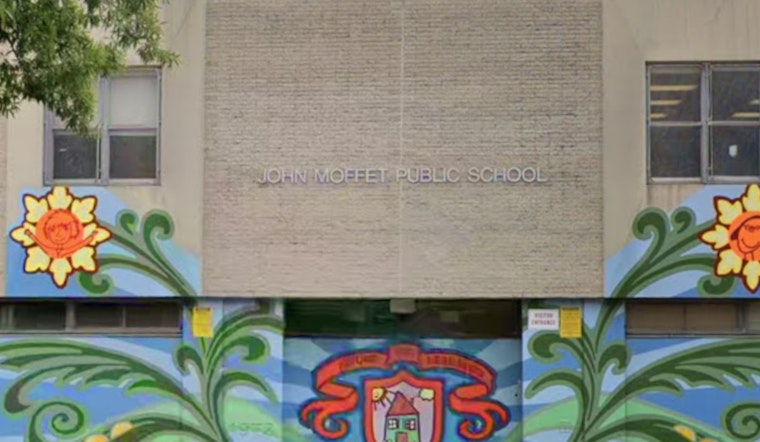
This week they packed the sidewalk outside John Moffet School with handmade signs and loud chants, pushing back against a School District proposal they say would rip apart a stable neighborhood elementary. Supporters argue the plan threatens a multilingual community built over decades and the school’s long-standing pathways to middle school. Organizers framed the demonstration as part of a wider campaign to force district officials to open their books before key board meetings, as per CBS News Philadelphia.
A video from CBS News Philadelphia shows students and teachers rallying outside the building and reports that the district proposal would convert John Moffet Elementary into a middle school. The crowd chanted "Don't shut our doors," while several students urged the School Board to protect neighborhood schools instead of shifting younger children elsewhere. The footage also captures educators and families demanding to see the data behind the recommendation.
What the district proposes
The School District has packaged its recommendations as a 10-year, $2.8 billion Facilities Master Plan that examines 307 district buildings and ranks them for modernization, maintenance and potential reconfiguration, according to the School District of Philadelphia. The plan sorts options into five buckets, modernize, maintain, co-locate, repurpose and close, and states that any approved changes would not kick in before the 2027–28 school year. District materials also promise a dedicated transition team and a full planning year for school communities that would be affected if the Board of Education signs off.
Neighbors push back
Parents and neighborhood organizers have turned to petitions and public pressure to fight the proposal. A March 2 petition titled "Save John Moffet Elementary from Turning into a Middle School" argues the plan would dismantle a "50-year neighborhood anchor," displace roughly 185 K–4 students and weaken what supporters describe as one of Philadelphia’s most racially and linguistically diverse elementary communities; the petition had more than 1,300 verified signatures as of this week, according to Change.org. Organizers say the district has yet to release detailed capacity analyses for the schools that would absorb Moffet’s students, and argue those models are essential before any vote takes place.
Unions and leaders join the chorus
Labor leaders have added their voices to the outcry. The Philadelphia Federation of Teachers and allied unions led a rally at the district administration building, urging the Board of Education to hold off on adopting the plan until the data behind it is released. Union officials cautioned that earlier rounds of mass school closures harmed both students and neighborhoods, and they pressed for clearer enrollment projections and IEP transition plans before any decisions are locked in.
Where things stand now
City reporting shows that the district has already trimmed its initial closure list after early pushback. The Philadelphia Inquirer noted that an original list of 20 proposed school closures was reduced to 18 in a revised version of the plan. The district’s master-plan materials emphasize community engagement and repeat that any changes the board adopts would roll out gradually, with a planning year and transition supports for affected schools, according to the district’s FPP documentation. Parents and educators counter that the crucial building capacity data and specific IEP transition guidance are still missing.
Board meeting and next steps
The School Board was scheduled to meet on March 26, and families said they intended to press members directly during that session, according to CBS News Philadelphia. A final vote on the facilities recommendations has not yet been announced, and advocates say their immediate goal is to secure published enrollment modeling and capacity reports that spell out where neighborhood students would go. For Moffet’s supporters, the next stretch is about forcing a public look at other options, including possibilities to expand the school into a K–8 model or to formalize neighborhood feeder pathways.
Back in Kensington, parents and teachers say they will keep showing up at board hearings and community meetings until the district releases the data and clear transition plans they argue are necessary. How the board responds to that pressure, and whether it adjusts the Facilities Master Plan for a small, high-performing neighborhood school, will serve as an early test of the district’s promise to do this work with communities rather than to them.


