

























































Hillsborough County commissioners on Thursday sided with Keystone‑Odessa neighbors and rejected a developer’s plan that could have opened the door to what residents called “hundreds” of new homes in the rural area. The decision came after a packed public hearing where speakers pressed the board to hold the line on the community’s rural character. Supporters of the denial say it keeps local roads, schools and open space from being stretched even thinner, at least for now.
Reporter Danielle Zulkosky of FOX 13 Tampa Bay covered the hours‑long meeting, noting that Keystone‑Odessa residents turned out in force to oppose the proposal. In coverage posted yesterday, FOX 13 highlighted neighbors’ concerns and detailed the commission’s vote to turn down the application.
Why Locals Pushed Back
Residents told commissioners their corner of northwest Hillsborough simply does not have the infrastructure to absorb a large influx of new homes. They pointed to narrow rural roads, already crowded schools and the threat to nearby wetlands and open land as reasons to say no.
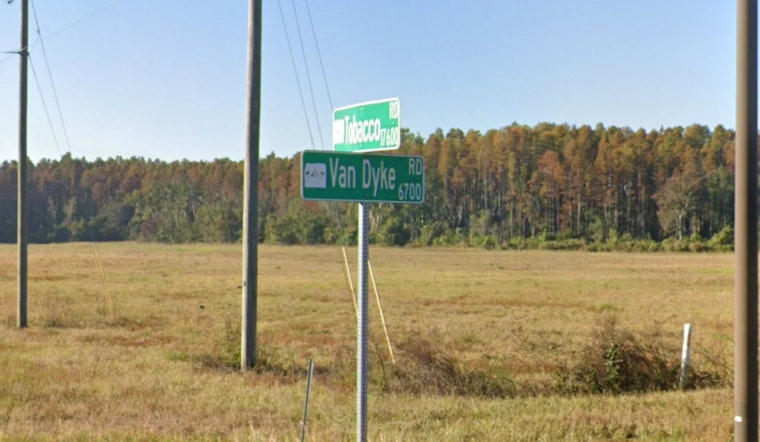
Spectrum News reported in November 2025 that a D.R. Horton proposal for 127 townhomes at Van Dyke and Tobacco roads drew similar outrage from Keystone neighbors and highlighted a longer‑running clash over the Keystone community plan. Local civic groups, citing that fight and others, say they have been organizing for months to push back against map amendments that would allow denser development in what has long been marketed as a rural enclave.
State Rules and Local Control
Neighbors and some commissioners framed the latest dispute in light of recent state‑level changes that affect how much control counties have over land‑use decisions. As Spectrum News quoted County Commissioner Chris Boles, “These recent changes to the Live Local Act and Senate Bill 180 have weakened the ability of counties to enforce local land‑use controls.” That legal backdrop, critics say, has made it tougher for local officials to block projects that many longtime residents see as out of step with Keystone’s rural planning goals.
What Comes Next
When commissioners deny a land‑use request, county attorneys must prepare written findings that explain the ruling and show it is supported by “competent and substantial evidence.” Legal observers note that requirement is more than paperwork; it often shapes whether a developer can win on appeal.
Your Observer outlines how that quasi‑judicial process typically works, from public hearings to potential court challenges. Hillsborough County regularly posts meeting recaps and maintains the board’s calendar; the county listed its next regular commission meeting for next Wednesday.
The Keystone Civic Association has said it will continue tracking the case and urging members to show up for any follow‑up hearings, and the group has published multiple land‑use updates and calls to action on its website. For now, FOX 13 Tampa Bay remains the most detailed local account of the commission’s vote and the community’s response.



