

























































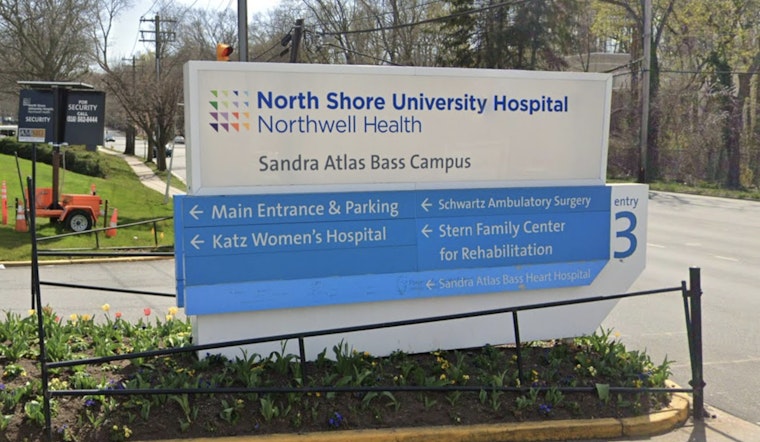
North Shore University Hospital in Manhasset is shaking up its emergency room routine with a rapid blood test that hospital leaders say can flag signs of traumatic brain injury in roughly 30 minutes. Emergency clinicians are banking on the new tool to trim time in the emergency department and cut down on CT scans for low-risk patients. The launch follows a short validation period and a phased rollout inside the hospital’s emergency department.
North Shore deploys 15-minute blood test
Hospital officials say North Shore is the first facility in New York State to test and implement Abbott’s i-STAT Alinity TBI cartridge, a whole-blood assay that the hospital found cut evaluation time in appropriate patients from about three-and-a-half hours to roughly 30 minutes. In an initial three-month validation trial, clinicians enrolled 107 low-risk adult patients, and staff report they have used the test on nearly 200 patients since November. “This rapid turnaround to assess for brain injuries is a game-changer,” Dr. Chidubem Iloabachie, associate chair of emergency medicine at NSUH, said in the hospital announcement, according to Long Island Business News.
How the test works
Abbott’s i-STAT TBI cartridge measures two brain-specific proteins, glial fibrillary acidic protein (GFAP) and ubiquitin C-terminal hydrolase L1 (UCH-L1), and produces lab-quality results in about 15 minutes on the handheld i-STAT Alinity platform, according to Abbott. At North Shore, the sample is currently run in the hospital laboratory, and the full workflow brings answers to clinicians in roughly 30 minutes in most cases. Both the company and the hospital emphasize that the assay is meant to support a clinician’s assessment rather than replace it.
What the science shows
Large multicenter studies have found that GFAP and UCH-L1 levels correlate with intracranial injury and can help identify patients who are unlikely to have CT-detectable damage, evidence that supported regulatory clearance for blood-based traumatic brain injury biomarkers. The ALERT-TBI multicenter study enrolled nearly 2,000 patients and reported high sensitivity and a strong negative predictive value for a combined GFAP and UCH-L1 assay, according to a report in Lancet Neurology.
Why it matters for patients and the ED
Clinicians say a reliable, fast blood test can spare patients unnecessary radiation exposure, free up CT scanners for higher-risk cases and shorten time spent in an already crowded emergency department. Local television coverage of North Shore’s rollout and the device’s potential for use on the sidelines and in long-term care facilities is available from CBS News New York. Hospital leaders say they will continue collecting real-world data as they weigh whether to expand the test to other Northwell sites and eventually into nonhospital settings.





