

























































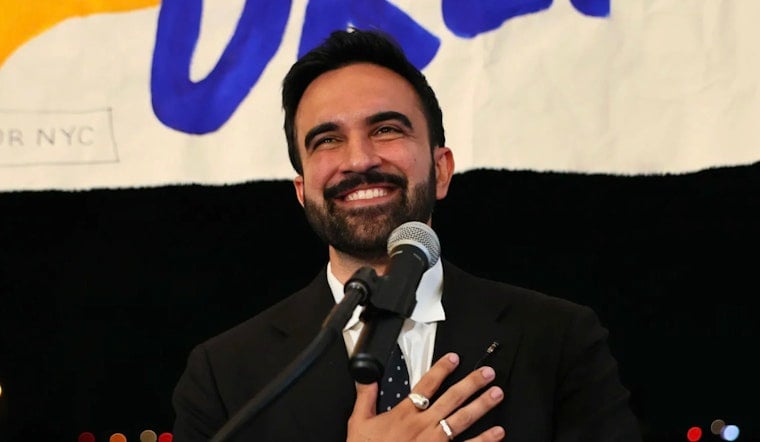
Mayor Zohran Kwame Mamdani is putting political capital on the checkout line, pushing ahead with a campaign promise to launch city-owned grocery stores that sell basics like eggs and bread at lower prices while, he insists, keeping worker pay and dignity intact. The idea has now moved from stump speech to site plan, with officials naming a first location in East Harlem and sketching out a timeline and financing that would put municipal supermarkets at the center of the city's affordability push. Backers pitch it as a public option that can trim weekly bills for cash-strapped families, while skeptics warn it could turn into an expensive, hard-to-run experiment. The rollout is already stirring arguments among neighborhood grocers, labor leaders and policy analysts over whether City Hall can really deliver a lean, low-price grocery chain at scale.
How the stores would be built and run
According to the mayor's office, the city is planning a five-site network, one store in each borough, backed by $70 million in capital spending and built on city-owned land so the supermarkets avoid rent and property tax costs. The administration has tapped La Marqueta in East Harlem as the first site and says that location is expected to be a roughly 9,000-square-foot store constructed from the ground up. The release states that the first city-owned grocery could open as early as late 2027, with the La Marqueta store itself projected for 2029. Under the model, the city would own the land and shoulder overhead while a private operator, selected through a request for proposals, would run day-to-day operations and be contractually required to pass savings from that structure on a core basket of staple items.
Price rules, local food and worker protections
City officials say the new groceries will keep a clearly defined set of everyday items - Mamdani has repeatedly highlighted bread and eggs - at below-market prices while still stocking quality products and culturally appropriate foods tailored to each neighborhood. Reporting from NBC New York notes that the administration plans to lean on industry feedback and community input to decide which products make the shelves and what percentage discount operators must provide on the core basket. Labor is another selling point: Mamdani and his allies are emphasizing that the stores are not supposed to squeeze workers, and local union leaders have publicly welcomed the prospect of stable jobs with solid standards tied to the project.
Cost numbers and the $30 million debate
City Hall's $70 million figure covers the full five-store buildout, but neighborhood chatter has zeroed in on one number in particular: the estimated $30 million construction cost for the La Marqueta supermarket. That figure has become a lightning rod for critics who question whether a new flagship store on city land is worth the price. NY1 and other outlets have reported the $30 million estimate, and opponents argue that such a hefty investment invites hard questions about opportunity cost and whether grocery subsidies could be delivered more efficiently through other programs.
Reaction: labor, policy experts and skeptics
Supporters frame the initiative as a modern spin on LaGuardia-era public markets, aimed squarely at neighborhoods with high rates of SNAP use and food insecurity. The mayor's release features backing from labor leaders and local elected officials who say the stores will expand access to affordable food while creating reliable jobs. At the same time, national commentary has been wary of the political and budget risks, with opinion writers warning that municipal supermarkets could bring operational headaches and serious blowback if the promised savings at the register do not show up in shoppers' receipts. The stakes are high enough that the first store will likely become a test case for whether the "public option" framing translates into real price relief without hidden tradeoffs.
Next steps and what to watch
The administration says it will issue requests for proposals to find private operators, convene an NYC Groceries Task Force to shepherd the rollout and work with local communities on everything from product selection to store hours. NYCEDC is named as the lead agency partnering with City Hall, and officials say community meetings and a formal procurement process are slated for this spring and summer. If the city hits the milestones laid out in the mayor's release, New Yorkers can expect an initial store to open in some form in 2027, with La Marqueta's rebuilt flagship arriving by 2029 and more detailed price and operator commitments emerging as the RFP process moves forward.
For neighborhood shoppers and the small grocers who already serve them, the question is blunt: can a public option shave a few dollars off the weekly bill without throwing the local retail ecosystem out of balance. The answer will only be clear once the promises on construction, contracts and community input stop living on paper and start showing up in brick, mortar and cash register tape.


