

























































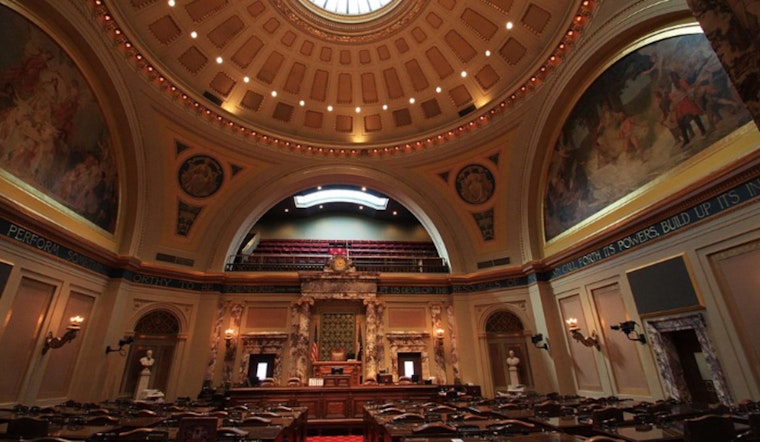
The Minnesota Senate on Thursday dove into a pointed debate over a Washington-backed proposal that critics say would let federal border operations creep deeper into some of the state’s most iconic wilderness. At issue is a resolution urging national leaders to reject the Border Lands Conservation Act, a federal bill that could open protected areas to new roads, surveillance systems, and expanded enforcement activity. The pushback zeroes in on a plan to give the Department of Homeland Security broader powers on federal lands that touch the international border, including parts of the Boundary Waters, and highlights growing unease in northern Minnesota about weakening long-standing protections.
What the Minnesota resolution says
Senate File 3880, sponsored by Sen. Grant Hauschild and backed by several other DFL senators, is formally described as “a resolution urging the President and Congress to reject the Border Lands Conservation Act,” according to the Minnesota Legislature. The official bill page lists SF 3880 as introduced on Feb. 26, 2026, and referred to the Senate Rules and Administration Committee for further consideration.
What the federal bill would allow
In Washington, the Border Lands Conservation Act (S.2967) seeks to amend the Wilderness Act and related laws so the Department of Homeland Security could inventory and expand roads on “covered Federal land,” install surveillance and other technology, and operate aircraft and motorized equipment in wilderness areas that border another country, as outlined on Congress.gov. The bill language also describes cooperative agreements that would direct land management agencies to increase DHS access and deploy what it labels “tactical infrastructure.”
State pushback in St. Paul
On the Senate floor, Hauschild argued that the resolution is about drawing a bright line around the state’s wilderness. “Allowing federal infrastructure and enforcement operations inside the wilderness would set a precedent and create lasting impacts far beyond this moment,” he warned, according to KVRR. That same report notes that the Senate Rules and Administration Committee gave SF 3880 a "do pass" recommendation and indicated it would move to the full Senate. However, the Minnesota Senate's committee schedule lists the March 19 meeting with "No Committee Action Recorded."
Why the Boundary Waters matter
The Boundary Waters Canoe Area Wilderness covers roughly 1.1 million acres of lakes, forests, and portage trails in northeastern Minnesota and is managed to preserve primitive, largely nonmotorized recreation, the U.S. Forest Service notes. Local towns and outfitters lean heavily on tourism and recreation that flow from those protections, and advocates argue that carving in new roads, building surveillance infrastructure, or allowing routine aircraft use would change the character of both the landscape and the tourism-driven economy that surrounds it.
What’s next
If SF 3880 clears the committee and wins a vote on the Senate floor, it would put Minnesota on record as formally opposing the Border Lands Conservation Act but would not change federal law. The resolution is a political statement that urges the President and Congress to reject S.2967 as written, according to the state bill text. At the federal level, the Border Lands Conservation Act remains pending after its October 2025 introduction in the U.S. Senate, and any actual changes to the Wilderness Act would still require passage by Congress and the president’s signature.





