

























































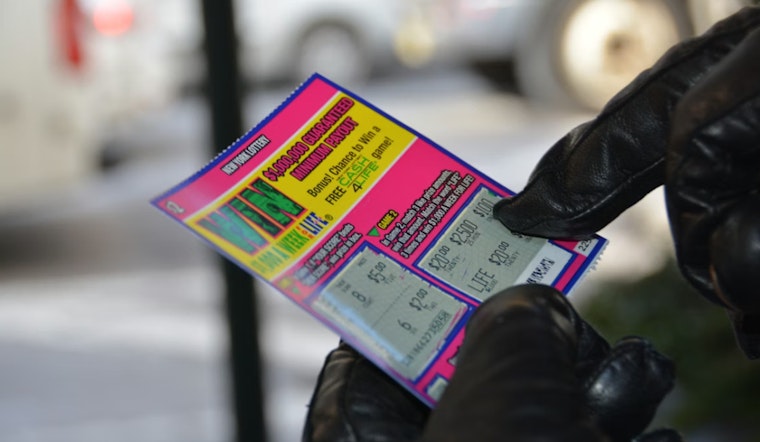
Twenty years after North Carolina sold its first lottery ticket in March 2006, the game that was sold to voters as a classroom booster is back under the microscope. Fresh sales data shows some of the state’s poorest counties are spending far more per person on tickets than wealthier parts of North Carolina, reviving a long argument over who is really footing the bill. Backers point to the money flowing to education. Critics say the cost is landing hardest on people who can least afford it.
Poorest counties spend the most
Recent reporting found that the 10 counties with the highest per capita lottery spending are all classified as Tier 1, the state’s most economically distressed counties. Halifax County topped the list at about $1,334 per person in yearly spending. The same review noted how strong the lottery’s debut was in 2006, when first-week ticket sales hit roughly $24 million, as reported by WRAL Investigates.
How the state defines economic tiers
North Carolina sorts counties into three development tiers using indicators such as unemployment, median household income, population change and adjusted property tax base. State law and the Department of Commerce method produce 40 Tier One, 40 Tier Two and 20 Tier Three counties. That tier system helps explain why per capita lottery spending lines up with pockets of economic distress. Local watchdog reporting for more than a decade has repeatedly shown the same overlap between higher poverty levels and higher per capita lottery sales, which has only sharpened critics’ worries.
Responsible-play tools have low takeup
The lottery promotes a PlaySmart program that lets online players set deposit and loss limits, review their play history and pause play for as long as a month. Yet WRAL Investigates found that only about 7% of the nearly one million people who play digitally have actually turned those tools on. “The lottery is a tax on the poor disguised as a way to raise money for education,” Donald Bryson of the John Locke Foundation told the outlet.
Where the money is supposed to go
By law, Education Lottery proceeds are reserved for education programs, including prekindergarten, public school capital projects and college scholarships. Recent session laws spell out how multi-year allocations come out of the Education Lottery Fund, and the General Assembly’s budget language shows how those lines are set up and funded. The lottery also directs the public to its PlaySmart resources on the official site as part of its outreach on safer play.
What the anniversary means going forward
At the 20-year mark, the core debate has not really changed. Supporters highlight that the lottery brings in education money without a broad tax increase. Critics counter that much of that revenue is pulled from households that are already stretched thin. Community groups and policy watchdogs have called for more data, stronger default protections and better public education to track and limit harms, a pattern that has shown up again and again in local coverage. Lawmakers and advocates are expected to keep testing whether changes to marketing, retail rules and default responsible-play settings can ease inequities while keeping school funding intact.
Sources
Key figures and analysis in this piece are drawn from reporting by WRAL Investigates, county tier methodology from the North Carolina Department of Commerce, historical coverage of per capita sales patterns by regional reporting, including WFAE, the lottery’s PlaySmart materials at NC Education Lottery, and state budget language on Education Lottery allocations in recent session law documents.





