

























































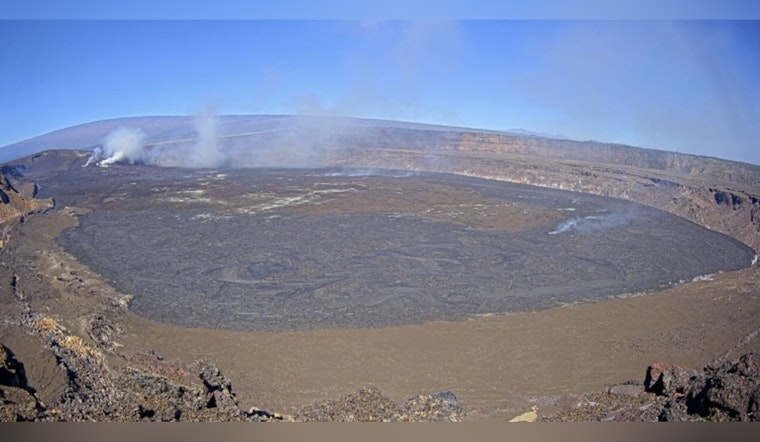
A nighttime search through a shut-off section of Kīlauea caldera ended in tragedy when a 33-year-old Hawaiʻi resident died after being rescued from a closed area inside Hawaiʻi Volcanoes National Park, according to park officials. Rangers first responded on Feb. 26, and search-and-rescue teams worked through the night before locating the man on Feb. 27. He was airlifted out of the caldera, flown to Hilo Benioff Medical Center, and later pronounced dead. The park has notified his family and is withholding his name while the case remains under investigation.
In a news release, Hawaiʻi Volcanoes National Park said rescue crews "conducted operations overnight in steep and hazardous terrain" on the east side of the caldera before airlifting the man from the closed zone. The release noted that Kīlauea was not erupting at the time. Local outlet Big Island Now carried the park's statement and reported the incident timeline.
Rescue Details and Eruption Context
The U.S. Geological Survey's Hawaiian Volcano Observatory reports that Kīlauea has been erupting episodically since Dec. 23, 2024, with short lava‑fountaining episodes confined to Halemaʻumaʻu crater. Those episodes have produced high fountains and tephra near the vents, all within areas of the park that are closed to the public, according to USGS. National coverage of the fatal incident has highlighted the park's repeated warnings to stay out of those restricted zones, as noted by SFGATE.
Why Closed Areas Matter
"Kīlauea caldera contains hazardous terrain, including unstable cliff edges and volcanic features," the park said in its release, underscoring why rangers keep parts of the summit off limits. Officials have repeatedly pointed to similar rescues and close calls in recent months as crowds surge to the summit during eruptive activity. The incident remains under investigation, and park staff say they will release more information as it becomes available. Hawaiʻi Volcanoes National Park
In the meantime, officials are urging visitors to stick to designated open areas and obey closure signs while investigators sort out what happened. For up-to-date information on the eruption and park conditions, visitors are directed to the U.S. Geological Survey's Hawaiian Volcano Observatory and the park's website. USGS





