

























































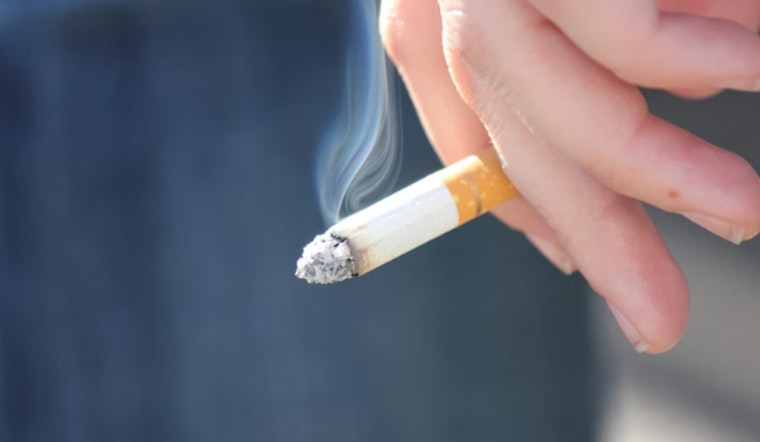
A nearly $2-per-pack cigarette tax hike and a matching hit on many vaping products just cleared the Washington Senate, setting the stage for a charged showdown in the House over public health goals and pocketbook pain. The plan would also add a 10% surcharge on flavored nicotine products and carve out new funding for youth prevention and quit-help programs. Backers say steeper prices will push adults to quit and keep kids from getting hooked, while critics warn small retailers and low-income smokers could end up footing the bill.
Senate clears the bill, House is up next
According to the Washington State Legislature, senators approved Senate Bill 6129 on a 26-22 third-reading vote, then sent the engrossed substitute across the rotunda to the House for further review. The measure is now parked on the House Finance Committee calendar, where lawmakers are weighing possible amendments and public testimony. The Senate roll call and the House hearing schedule remain posted on the bill page for anyone tracking the play-by-play from home.
What the bill would change
As laid out in the Washington State Legislature Senate bill report, SB 6129 would tack on an additional tax of $0.09875 per cigarette, roughly $1.97 on a standard 20-pack. Once fully phased in, the state cigarette excise would come to about $5 per pack.
The proposal also shifts many nicotine products to a value-based model that uses a 95% taxable-selling-price formula in the engrossed substitute, adds a 10% tax specifically on flavored nicotine products, and earmarks the first $10 million raised from the cigarette increase each year for youth prevention and cessation efforts. The bill further authorizes the governor to renegotiate tribal compacts so that flavored-product taxes can be addressed in agreements with federally recognized tribes.
Supporters and opponents
Public health groups and pediatric advocates who testified in committee say the numbers speak for themselves. They argue higher prices are one of the most effective tools to cut youth use and spark quit attempts among adults. Supporters estimate that in the first year alone, nearly 21,000 adults could quit and about 5,700 children could be prevented from starting nicotine use.
As reported by KOMO News, Sen. June Robinson said, “We have a lot of information [and] well-researched evidence that price does affect behavior and keeps youth from becoming addicted to nicotine.”
Opponents counter that the hike is regressive, landing hardest on low-income smokers, and could cut into margins for small convenience stores and tribal tobacco outlets. They also warn the move might nudge more buyers toward border states or unregulated markets, dulling the revenue and public health impact legislators are banking on.
How this fits with last year's tax changes
The bill does not arrive in a vacuum. It follows a 2025 overhaul that broadened Washington's Other Tobacco Products tax so many nicotine products are now taxed at a high percentage of the selling price. That earlier law, Chapter 422 of 2025, took effect for key sections on Jan. 1, 2026, but left what some lawmakers describe as a cigarette-tax gap that SB 6129 is designed to close. Details of that earlier measure are documented on the Legislature's bill page for SB 5814 and in session law records.
What happens next and the timeline
If the House signs off on the measure and the governor adds a signature, the new taxes would not hit smokers and vapers overnight. Under the engrossed substitute, many nicotine-product tax changes would begin July 1, 2027, while the additional cigarette tax would kick in on Jan. 1, 2028, according to the bill report.
Before that, expect another round of testimony in House committees in Olympia and a possible flurry of floor amendments. Only after those steps would any final version of SB 6129 be enrolled and shipped to the governor's desk.





