

























































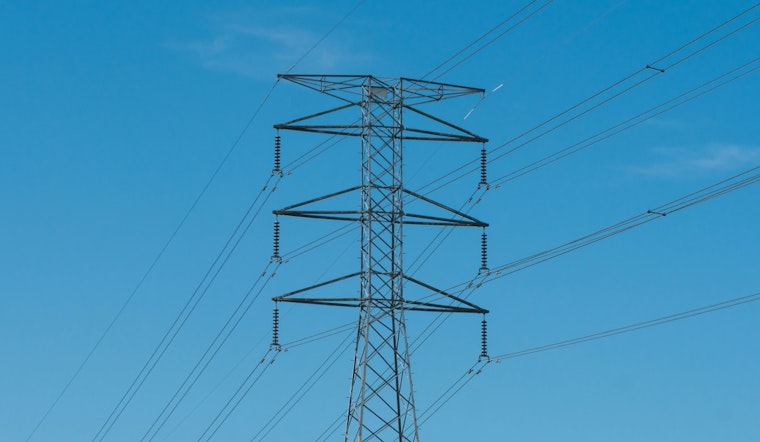
Electric bills are headed higher again for more than a million Oregon households, with new rate hikes for Portland General Electric and Pacific Power customers scheduled to kick in April 1, 2026. State regulators have approved fresh increases that land on top of a multi-year stretch of adjustments that many residents are already feeling in their monthly budgets.
Oregon Capital Chronicle reports that Portland General Electric’s residential rates will go up by about 5%, while Pacific Power’s will rise roughly 4%. That works out to an estimated additional $8 a month for the average PGE customer and just over $5 a month for the average Pacific Power household. According to the Chronicle, it is the sixth year in a row that the commission has allowed the two investor-owned utilities to raise residential prices.
The Oregon Public Utility Commission adopted settlements that delay the residential portions of these hikes until April 1 to comply with the state’s FAIR Energy Act, which blocks residential rate increases from Nov. 1 through Mar. 31. The Public Utility Commission’s order spells out that timing and the required amortization of amounts deferred for collection during the winter moratorium.
Why regulators backed the changes
Company filings and commission staff say the approved adjustments are driven by higher fuel and wholesale market costs, as well as significant spending on grid upgrades, wildfire mitigation and clean-energy programs. PGE’s recent advice filings describe how multiple automatic adjustments and program recoveries roll into its Annual Update Tariff, while PacifiCorp’s compliance letters show similar mechanisms at work for Pacific Power. PGE’s filing and PacifiCorp’s advice lay out the detailed workpapers and estimated bill impacts that fed into the final numbers.
Data centers and shifting demand
Behind the spreadsheets, Oregon’s power demand is changing. Advocates and analysts point to load growth that has been anything but evenly spread across customer types. A Sightline Institute analysis found that most of the state’s load growth over the last decade has come from commercial and industrial users, with a handful of utilities, including PGE and PacifiCorp, taking on most of the region’s new data-center load. Sightline’s report details how that concentrated growth can increase the need for transmission and distribution upgrades that eventually show up in customer prices.
Consumer groups push back
Consumer advocates are not thrilled with how these changes came together. Charlotte Shuff of the Oregon Citizens’ Utility Board argued that consolidating multiple filings and shortening the review period made it tougher for watchdog groups to dig into the details, a concern described by the Oregon Capital Chronicle. CUB and other advocates have also pressed for clearer itemized breakdowns of what customers are paying for in recent rulemakings and legislative debates, so people can see more plainly how investments and surcharges stack up on their bills.
What it means for customers
Together, the two private utilities serve on the order of 1.5 million Oregon households. PGE’s filings reference an applicable residential customer base near 963,000, while PacifiCorp’s documents cite about 552,000 residential customers. PGE’s advice packet and PacifiCorp’s compliance materials supply the customer counts regulators used when modeling bill impacts.
For households already struggling to keep the lights on, advocates point to expanded income-qualified discounts and state energy assistance programs as the main short-term lifelines while longer-term policies and rate structures continue to evolve.
Regulators maintain that the settlements strike a balance between near-term affordability and the utilities’ need to recover what they view as legitimate costs. At the same time, the adopted timing rules and related filings leave room for additional applications, amortizations or appeals, which means some customers may see the full effect of these changes spread out over several months instead of hitting all at once.





