

























































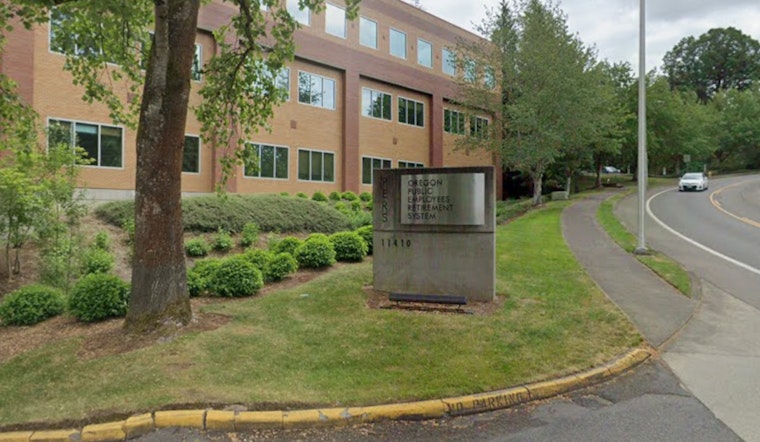
Oregon's most generous PERS payout method, the money-match calculation, is effectively off the table for new hires, but it is still minting eye-popping pensions for a small slice of retirees. Fresh data show that while most new retirees receive relatively modest pensions compared with their final pay, a handful of long-serving public employees are locking in six-figure annual benefits.
According to The Oregonian/OregonLive, 222 members of the 2025 retirement cohort received annual benefits above $100,000, about 3.5% of the year's 6,398 new retirees. The newsroom's database, maintained since 2011, lists roughly 150,192 people currently receiving PERS payments and puts the 2025 cohort's median starting pension at $25,112 and its average at $33,890.
That pattern sits atop a system with more than $100 billion in assets and substantial long-term obligations. Oregon State Treasury reported the Oregon Public Employees Retirement Fund (OPERF) reached about $101 billion by year-end 2025, and PERS' own 2025 Popular Annual Financial Report shows the defined-benefit plans' funded status in the high-70s percent, leaving a multi-billion-dollar unfunded actuarial liability. Those figures appear in PERS' 2025 PAFR.
How money match generated outsized checks
PERS members who retired under the money-match calculation have their account balance effectively matched by employers and then converted to an annuity using age factors, a structure that can produce much larger lifetime checks than the standard formula. The money-match option largely ended for workers hired after Aug. 28, 2003, and most new retirees now collect benefits calculated under the full formula, which ties payouts more directly to final average salary. The calculation methods and eligibility rules are explained in PERS' Tier One/Tier Two guide.
Reporting by The Oregonian highlights beneficiaries whose checks dwarf typical public pensions. David Horowitz, who retired after 57 years of service, is listed with an annual benefit of about $368,250, and another top recipient, Johnny Delashaw, is shown with nearly $827,000 a year. "I just played by the rules and watched it build up over time," Horowitz told The Oregonian/OregonLive. The newsroom notes that the vast majority of 2025 retirees took benefits under the full formula, but money-match and similar calculations still account for a disproportionate share of the largest pensions.
Why it still matters
Even as the money-match era winds down, those large checks matter because they affect employer contribution rates and local budgets when investment returns miss assumptions. The Oregon Capital Chronicle reported that PERS contributions could rise from about $5.26 billion in the 2023-25 biennium to roughly $9.35 billion by 2029, more than a quarter of payroll, a jump that has reignited debates about system reform and board oversight. Oregon Capital Chronicle lays out the fiscal stakes as the system moves into the next budget cycle.
The takeaway for Oregon taxpayers and public employees is straightforward: the money-match windfalls belong to an older era, but their fiscal footprint remains. As PERS, the Oregon Investment Council and lawmakers update valuations and monitor investment returns, the pressure to balance retiree promises with sustainable employer rates will shape budgets and policy decisions for years to come.





