

























































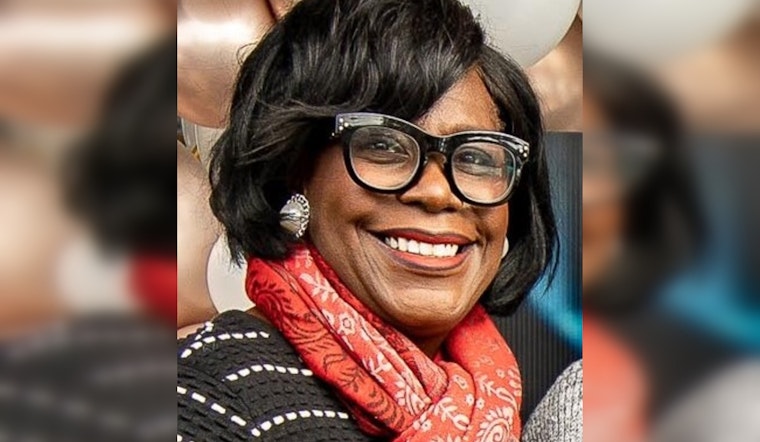
Mayor Cherelle L. Parker used her third annual budget address to City Council on Thursday to roll out a roughly $7 billion spending plan that puts housing, visible homelessness and day-to-day quality of life front and center. The proposal leans on targeted business and gig-economy taxes while largely keeping property tax rates in place for most homeowners. Parker framed the package as an investment in public safety and economic mobility as Philadelphia gears up for several major events.
What the proposal would do
According to the City of Philadelphia, the "One Philly, One Future" FY2027 plan totals about $7 billion and pairs new revenue measures with targeted spending. The administration says the plan would add roughly 1,000 shelter beds and dedicate $22 million in FY27, and $110 million over five years, to address street homelessness and the city’s wellness network. To help pay for schools, streets and homelessness services, the mayor also proposed a 20-cent-per-ride Transportation Network Company tax, a 25-cent retail delivery tax on certain nonessential orders, and a 2-point hotel tax increase.
Video of Parker’s remarks shows her delivering the speech from City Hall, walking council members and city leaders through those priorities. NBC10 Philadelphia posted footage of the address along with highlights from the speech.
H.O.M.E. and the housing push
City and council materials prepared ahead of the session put housing at the heart of the long-term plan. Prior briefings and the administration’s five-year framing emphasize the H.O.M.E. initiative and its goal of creating or preserving tens of thousands of units. The administration argues that the borrowing and bond-backed components of H.O.M.E. are designed to jump-start production and preservation, while tying that work to investments in job training and title remediation. Those background documents cast the housing push as the fiscal backbone of the mayor’s economic-mobility agenda.
Who could push back
Some of the tax ideas are already drawing heat. Axios reports that ride-hail companies have pushed back, with spokespeople calling the surcharge regressive and warning that platforms may pass costs on to riders. The administration acknowledges that some measures, chiefly the hotel-tax increase, will need cooperation from state lawmakers before they can actually take effect.
What happens next
The mayor has formally submitted the proposal to City Council for review and public input, and council staffers will schedule hearings and town halls in the coming weeks. City Council’s published budget materials and weekly reports lay out the standard process for scrutiny and public testimony as the city moves toward a final adopted budget before the new fiscal year starts.
Parker stressed that the plan is the starting line, not the finish, promising neighborhood town halls and follow-up briefings as the administration and council haggle over details. Expect lengthy hearings and hard bargaining over which programs rise to the top as the summer deadline for adoption approaches.






_(closer_crop).jpg)