

























































Pinellas-Pasco Circuit Judge Jennifer Cruz Dubbeld is under disciplinary scrutiny after Florida's Judicial Qualifications Commission accused her of crossing ethical lines during her 2024 campaign for the bench. At issue are alleged direct requests for campaign cash, suggestions that she had backing from public officials, and a social media broadside aimed at an opponent. Dubbeld handles dockets that include drug-treatment and family-dependency cases, so the complaint hits close to home for people using the courts in Pinellas and Pasco.
The Judicial Qualifications Commission filed its allegations this week, asserting that Dubbeld's campaign materials and statements violated rules for judicial candidates, according to the Tampa Bay Times. The Times reports that the JQC notice accused Dubbeld of directly soliciting campaign donations, implying she had endorsements from public officials and posting a Facebook message that criticized a rival. The newspaper publicized the complaint on March 11, 2026.
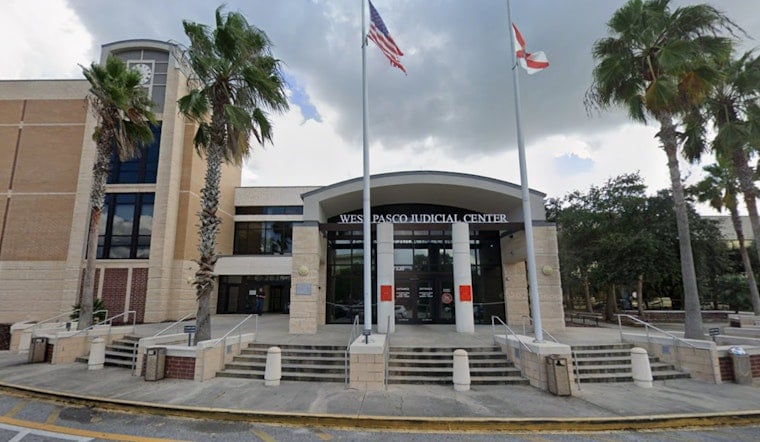
Dubbeld won election to the Pinellas-Pasco bench in 2024 and was sworn in at an investiture last August. Administrative orders from the Sixth Judicial Circuit list her Pasco assignments, including Adult Drug Court, Family Dependency Treatment Court and related calendars at the West Pasco Judicial Center. Those records confirm she continues to oversee treatment-court and dependency dockets that affect a wide swath of local families.
What the Commission Says She Did Wrong
The JQC's filing, as described by the Tampa Bay Times, points to specific examples of how Dubbeld allegedly asked for money and framed her campaign. The commission says her conduct included direct fundraising solicitations that judicial candidates are not allowed to make, and messaging that suggested public officials had formally endorsed her, which the JQC argues could mislead voters about who was actually backing her run. If the commission finds probable cause and decides to push forward, those allegations would become the backbone of a formal disciplinary case.
The Tight Rules For Judges On The Trail
Florida draws a firm line around what judges and would-be judges can do politically when they hit the campaign trail. Canon 7 of the Florida Code of Judicial Conduct states that "A successful candidate, whether or not an incumbent, is subject to judicial discipline for his or her campaign conduct," according to the Florida Supreme Court. The canon and its advisory opinions are designed to protect both the appearance of impartiality and public trust in a system that depends on judges staying above the political fray.
How A Judicial Misstep Becomes Discipline
JQC investigations are confidential at the outset while the commission reviews complaints and gathers information. The curtain only goes up if the JQC finds probable cause and files formal charges with the Florida Supreme Court. The Florida Judicial Qualifications Commission explains that "proceedings where formal charges have been filed are open to the public" and that documents are then posted on the Supreme Court's disciplinary archive. If charges land at the high court, the justices decide the outcome, with possible discipline in past cases ranging from admonitions and public reprimands to suspensions or outright removal from the bench.
For now, Dubbeld remains on her current assignments while the JQC review plays out behind the scenes, and day-to-day court business in Pinellas and Pasco goes on as usual. Any move to file formal charges would flip the matter into a fully public phase on the Florida Supreme Court's disciplinary pages. The complaint serves as a pointed reminder of just how tightly policed judicial campaigns are in Florida and how quickly trouble can follow when candidates, including newly elected judges, are accused of stepping over those lines.



