

























































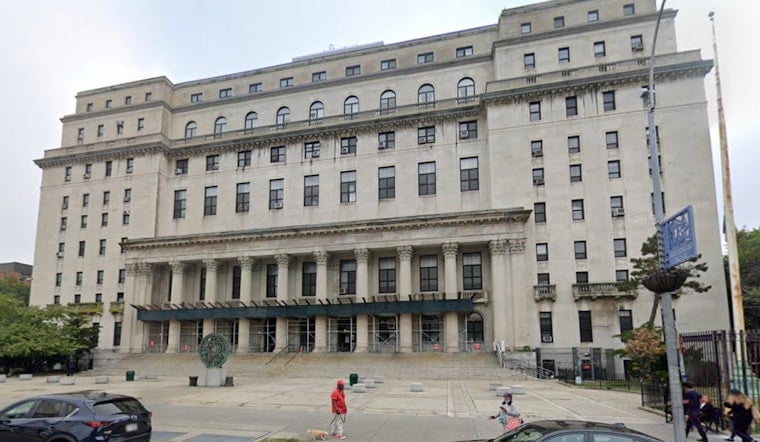
Dimitri Bourianov, a Forest Hills resident locked in a divorce and custody battle, says his case veered off the normal track when the judge assigned to it repeatedly kept out key evidence and appeared to shield a lawyer he accuses of having an affair with his wife. The claims, laid out in reporting published March 27, 2026, center on sexually explicit messages and photographs that Bourianov says were exchanged between the lawyer and his wife, along with rulings he contends tilted toward the other side. He says he has filed a grievance with the state watchdog and is seeking primary custody of his two children. The allegations are serious and, if substantiated, would raise questions about conflicts and procedural fairness in a Queens family court.
Allegations Inside a Queens Courtroom
According to Black Star News, Bourianov says the lawyer, identified in filings as Richard Lovell, traded sexually explicit e-mails and photographs with his wife and that some encounters allegedly took place inside the marital apartment while the children were at home. The outlet reports that Bourianov filed an initial divorce complaint in Richmond County on Sept. 26, 2018, and that the custody trial opened on Sept. 22 before being adjourned to Oct. 20, according to court documents it cites.
Bourianov further alleges that Justice Margaret Parisi McGowan ordered a reporter out of a morning court session when building superintendent Alvaro Rodriguez took the stand. The same report says McGowan later kept certain e-mails out of evidence after concluding that Bourianov’s prior counsel had not produced them during discovery.
What Judge McGowan Brings to the Bench
Margaret Parisi McGowan serves on the New York State Supreme Court in Queens County and has handled family and civil matters in the borough. An NY Courts decision and court listings place McGowan on Queens dockets and decisions, confirming that she is a regular trial-level justice in the county.
The recent reporting frames Bourianov’s accusations around McGowan’s rulings in his case, including decisions about what evidence jurists and the public could see and who could sit in the courtroom. Those procedural calls are subject to appeal and review within the state judicial system, even as the underlying personal allegations remain sharply disputed.
Who Polices Judges in New York
The New York State Commission on Judicial Conduct is the independent body that investigates complaints of judicial misconduct and can recommend discipline, censure, or removal where appropriate. The Commission’s public guidance explains that complaints must be submitted in writing and signed, and that its staff may open inquiries when allegations raise concerns about a judge’s impartiality or behavior on or off the bench.
The Commission does not prosecute criminal cases but can pass potential evidence to other authorities if needed. Once a complaint is lodged, it triggers a review process that can take months and does not, on its own, establish that any wrongdoing occurred.
What Bourianov Says the Record Shows
Bourianov told Black Star News that he is seeking primary custody with regular weekday access and overnight weekends. He maintains that prior counsel failed to turn over hundreds of messages that he says were located on devices the children could access.
The reporting names his wife’s attorney as John A. Gemelli and lists other lawyers who have appeared in the file. Public lawyer directories and court listings show Gemelli based at a matrimonial practice in Forest Hills. Bourianov also alleges there were meetings in chambers and other contacts that, in his view, created an appearance of favoritism. Those claims sit at the heart of his push to have the judge investigated.
Ethics Rules, Recusal, and the Road Ahead
Judges in New York operate under the Rules Governing Judicial Conduct and guidance from the Advisory Committee on Judicial Ethics, which require impartiality and advise recusal whenever a judge’s impartiality “might reasonably be questioned.” Statewide ethics guidance notes that extra-judicial contacts or relationships that create an appearance of impropriety can justify disqualification requests or prompt an inquiry by the Commission.
If the Commission chooses to open a formal investigation in a case like this, it can review transcripts, filings, and testimony to decide whether disciplinary rules were violated. At the same time, the parties retain the usual options to seek appellate review or discovery-related remedies in the trial courts.
For now, the clash remains a bitter fight inside family court filings and competing public accounts. Bourianov’s allegations are being channeled through civil procedures and the judicial-conduct system. Any formal ruling by an appellate court or a public finding by the Commission would be the clearest indication of whether this stays a messy custody battle or crosses into confirmed judicial misconduct. We will continue to follow court dockets and any public action by the Commission as the case moves forward.





