

























































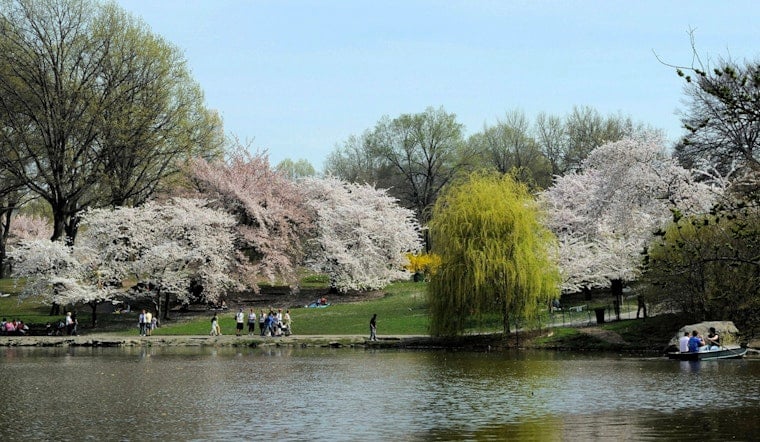
New Yorkers finally got their cherry blossoms, but the trees are already on the clock. A fresh pocket of “moderate” drought has popped up over parts of the city just as buds burst open, and the combo of thirsty soil and early warmth could squeeze what is usually a leisurely, multi-week bloom into a noticeably shorter show from Central Park to the Brooklyn Botanic Garden.
Maps and rainfall numbers
The U.S. Drought Monitor’s April 21 map tagged parts of all five boroughs as D1, or “moderate drought,” in its weekly analysis released April 23, 2026, according to the U.S. Drought Monitor. Local climate data tell the same story. Since Jan. 1, Central Park has picked up about 9.6 inches of precipitation, roughly 4.5 inches below the seasonal normal, leaving the city at about two thirds of its usual early season rainfall, according to the National Weather Service.
That shortfall is a problem for shallow rooted flowering cherries, which lean on moisture near the surface just as buds swell and petals open. When the ground is already dry going into spring, trees can move through their bloom cycle faster and struggle to hold those delicate petals once wind and warmth kick in.
How last year's dry spell set this up
This spring’s dryness did not arrive out of nowhere. A parched late 2024 pushed city and state officials to declare drought watches and warnings after key upstate reservoirs that feed New York dropped to roughly 60 percent of capacity. Coverage at the time detailed how officials scrambled to conserve and shift supplies while levels sagged, according to reporting from The City and the Associated Press.
That earlier deficit left soils and even street tree beds starting 2026 on the dry side. Add an unusually lean early season for rain, and the city’s cherries are blooming into a season that began behind on water.
What it means for the blooms
Dry ground and early warmth can hurry along bud development, then leave the open petals prone to wilting and wind. The result is a shorter “wow” period, even if the blossoms still arrive on schedule. AccuWeather senior meteorologist Matt Benz told the New York Post that the lack of moisture “could shorten the duration of the cherry-blossom bloom” this spring.
Garden staff around the city are already watching tree by tree. The Brooklyn Botanic Garden’s CherryWatch updates daily on which varieties are budding, peaking, or already past their prime, via the Brooklyn Botanic Garden, and the New York Botanical Garden offers its own spring tracker. Many cherry varieties only hold a true peak for about five to seven days, according to coverage of the city’s bloom trackers, which means the margin for error shrinks in a dry year.
For anyone chasing those perfect pink tunnels, the takeaway is simple: do not wait. Check the gardens’ trackers the day you plan to go, then time your visit around the freshest updates if you want your photos to catch the blossoms before the drought and wind do.



