

























































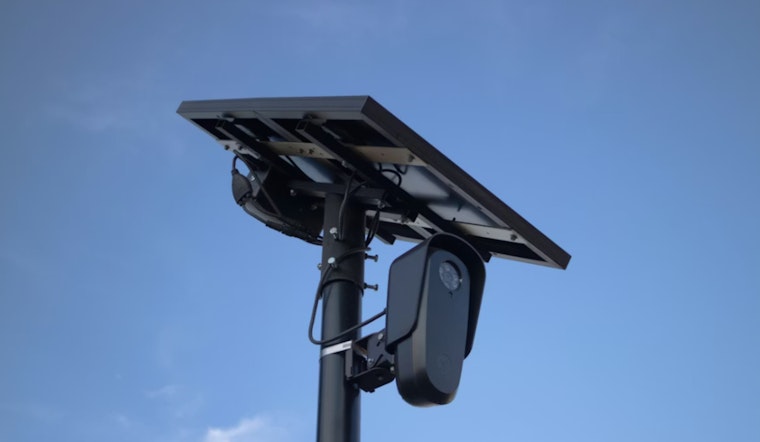
Rancho Cordova is suddenly at the center of a high-tech turf war, as the city quietly rolls out a web of license plate reader cameras that some residents say will turn their neighborhoods into a surveillance zone. The five-year program, funded through a contract worth more than $1 million, will put dozens of Flock Safety cameras on local streets. Supporters, including police, argue the system is a powerful crime-fighting tool for cases like mail theft, but the low-key rollout has sparked a fast-growing grassroots backlash.
According to CBS Sacramento, the city is spending more than $1 million to install 53 roadside cameras from Flock Safety. The automated system scans license plates, logs vehicle details, and makes them available to law enforcement, which Police Chief Mathew Tamayo has called “a valuable tool” for investigating crimes that range from theft to shootings. City officials say the cameras have already helped support arrests connected to mail theft.
Many residents see something very different. They argue the technology crosses a hard privacy line and have launched a website and organized public comments under the banner “Deflock Rancho Cordova,” pressing the city council to scrap the deal outright. “There are severe privacy issues found from the Flock system that the public is becoming increasingly more aware of,” organizer Katelyn Sheehan told CBS Sacramento. Opponents point to audits in other parts of California that showed camera networks could be queried by out-of-state or federal agencies.
Audit Found Unauthorized Cross-State Access
Those fears hardened after audits in other counties revealed that data-sharing controls were not as locked down as advertised. The Ventura County Sheriff’s Office reported that a vendor configuration error had allowed out-of-state agencies to tap into Ventura’s camera network, which triggered an internal review and a slate of new safeguards. In the wake of that discovery, some municipalities have paused contracts and demanded stronger audit logs and tighter access rules; Ventura County publicly detailed how it responded.
Flock’s Response and Statewide Pushback
Flock Safety has said it traced the Ventura problem to misconfigured settings, corrected them, and rolled out new protections intended to block cross-state queries or searches tied to immigration enforcement for its California partners. Even with those assurances, privacy advocates and a number of cities have recently walked away from Flock, as coverage in the Los Angeles Times and other outlets chronicled mounting concerns. The fight over automated plate readers has turned what used to be routine purchasing decisions into heated debates over police technology at city councils across the state.
What City Officials Say and What’s Next
Rancho Cordova police are standing firmly behind the rollout. They say the cameras feed into a new Real Time Information Center and are being used in partnership with the U.S. Postal Inspection Service to crack down on persistent mail theft. In posts on the department’s official Nextdoor page, officials have emphasized that analysts use the system to track suspect vehicles and push leads to officers in the field. City leaders also say they are working with nearby jurisdictions on a regional monitoring hub in Elk Grove to share real-time information across city lines.
Legal Implications
Under California law, agencies that deploy automated license plate readers must adopt written privacy policies, restrict data sharing, and conduct audits of system searches. Those legal requirements helped trigger Ventura County’s review after it discovered unauthorized queries on its network. The combination of statutory guardrails and questions about vendor configuration has fueled calls from some residents and local officials to pause new deployments while councils weigh audits, alternative vendors, and updated policies. For deeper background, see the Los Angeles Times.
For now, the showdown lands squarely in the city council’s lap. Residents are demanding a halt to the contract, while police continue to highlight arrests they say the cameras helped make possible. Council members are expected to hear more public comment and then decide whether the promised public safety payoff is worth the privacy and oversight questions piling up around Rancho Cordova’s new street-level surveillance network.





