

























































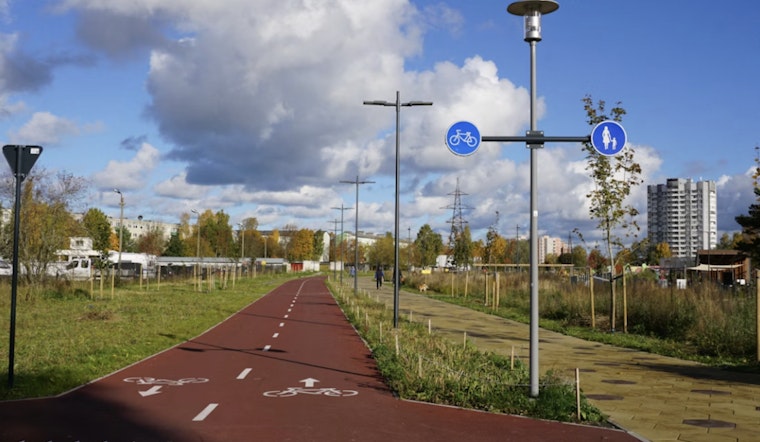
Across Sacramento and the rest of California, the latest round of state bike and pedestrian funding landed with a thud. When the California Transportation Commission released its newest Active Transportation Program awards, dozens of long-planned school-area safety projects were left on the cutting-room floor. Parents and planners who had been banking on protected bike lanes and safer crossings are now scrambling to rework timelines and budgets. With the final awards locked in, the impact is blunt and immediate: projects meant to protect kids will not be built this cycle.
As reported by The Sacramento Bee, 283 applications from about 188 agencies competed in this round, yet commissioners awarded funding to only 13 proposals, with roughly $168.7 million available to distribute. The Bee’s follow-up analysis found that 63% of local projects went unfunded and only about 16% received most or all of the dollars they requested. The funding shortfall sidelined plans for dozens of miles of separated bike and pedestrian paths and a series of roundabouts that safety advocates say cut down on serious crashes.
How Budget Choices Left Projects Cash-Strapped
According to the Assembly Budget Committee, the governor’s 2024 budget proposals sliced $200 million from the Active Transportation Program and pushed another $400 million into later years. Budget negotiations that followed salvaged some broader transit commitments but did not restore ATP funding to the levels many local agencies had planned around. Transportation advocates told Streetsblog California that the outcome forces safety projects to compete for a much smaller pot of money.
The Safety Math: Lives, Crashes and Dollars
Commission staff used UC Davis tools to estimate what the full slate of proposed projects could do for safety: roughly 6,000 crashes prevented and about 223 lives saved across the applications, according to The Sacramento Bee. Multiply that life-saving estimate by the U.S. Department of Transportation’s 2024 value of a statistical life, about $13.7 million, and you get roughly $3 billion in monetized safety benefits. Even top-scoring proposals lost out. Sacramento’s Freeport Boulevard safety plan, which earned 92 points out of 100, did not get funded this cycle. Residents still point to the Jan. 31, 2018 crash on that corridor that killed a grandmother and left a 6-year-old with catastrophic injuries as exactly the kind of tragedy the project was meant to prevent.
What Comes Next
Not everything was left on ice. The governor’s office and the commission announced about $101.2 million for 13 walking-and-biking projects in December 2024, aimed at disadvantaged communities, according to the governor’s press release. The statewide Cycle 8 guidelines and schedule are now posted and the ATP call for projects is open, with Caltrans’ Cycle 8 page laying out milestones and a projected application deadline in June 2026. Planners say technical assistance and a stronger showing in the next application round will be crucial for communities that missed out this time, but the timing means many on-the-ground safety fixes will be pushed back.
Legal and Budget Fallout
Local governments have already absorbed multimillion-dollar payouts tied to crashes on known dangerous corridors, a pattern documented in court filings and by local attorneys. Advocates argue that prevention is far cheaper than repeated settlements, and groups such as CalBike say the state’s spending choices show misplaced priorities that favor freeways over safe streets. That basic fiscal argument, prevention versus payout, is increasingly at the center of council debates and budget negotiations across California.
Bottom Line
For parents, school officials and planners, the takeaway is stark: many school-area crossings and protected bike lanes will not be built this year, and communities will have to lean on regional funding, quick-build pilots or a second shot at ATP cash to close the gap. Cycle 8 and regional programs offer another opening, but the construction pause is real and it matters most to the kids who walk and bike those streets every day.




