

























































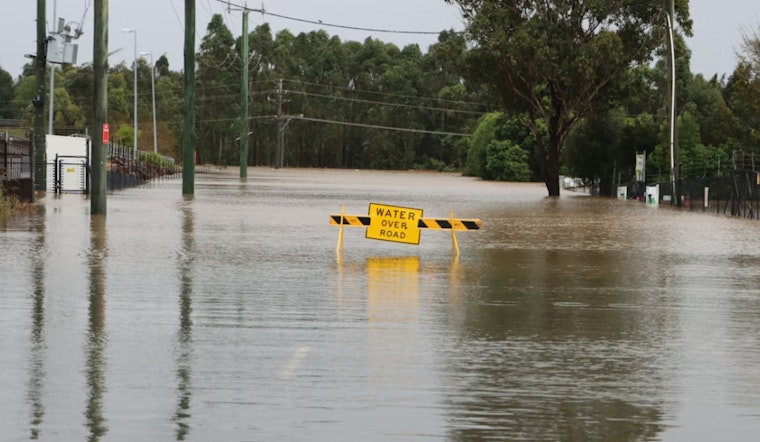
Maui spent Friday evening slogging through steady, soaking rains as a Flood Advisory brought nuisance flooding to low-lying roads and stream channels across the island. The advisory was set to expire at 7:30 p.m. HST on Friday, March 20, although forecasters cautioned it could be extended if the downpours refused to let up. Officials urged residents and visitors to use extra care on the roads and steer clear of standing water.
A flood advisory for maui is now in effect until 7:30 pm HST (3/20).
- Hawaii EMA (@Hawaii_EMA) March 20, 2026
Advisory details
The Flood Advisory was posted at 4:07 p.m. HST on Friday by the National Weather Service office in Honolulu, which reported that flooding caused by excessive rainfall was ongoing across Maui and that the advisory would be in effect until 7:30 p.m. HST. According to the National Weather Service in Honolulu, the most intense rainfall was targeting the western half of the island, with rates near 0.5 to 1.5 inches per hour. Communities from Kahului and Kihei to Lahaina and up‑country towns were listed as potentially affected.
The National Weather Service urged the public to stay away from streams, drainage ditches and other low lying spots prone to flooding, and noted that the advisory could be extended if the heavy showers hung around. Forecasters also reminded drivers that even shallow standing water can conceal hazards that turn roads impassable.
What officials say and what to do
According to the Hawaii Emergency Management Agency, the agency’s social media feeds are not monitored around the clock, and anyone facing an immediate threat should call 9-1-1. The X post carries a timestamp of 02:29:49 UTC on March 21, which lines up with 4:29 p.m. HST on March 20.
Local officials advise island residents and visitors to avoid driving through flooded stretches of roadway, follow any road-closure notices and keep an eye on municipal channels for fresh updates. If you have to be out, build in extra travel time and expect delays, as county agencies and NOAA Weather Radio typically push rapid updates on closures and emerging hazards.





