

























































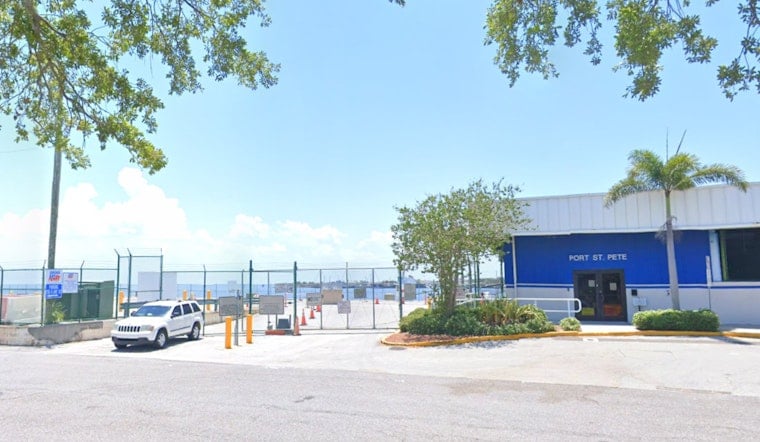
On a warm April evening, commuters and tourists packed onto the Cross Bay Ferry for what many called a bittersweet last ride across Tampa Bay. Hillsborough County had moved to terminate the operator's contract, and the seasonal pilot, which had been running toward a year‑round schedule, ended early on April 30, 2025. Riders said the service was a scenic, hassle‑free break from bridge traffic and a small but essential piece of Tampa Bay life.
County commissioners declared the operator in default and voted to end the agreement, leaving regulars scrambling for alternatives and snapping photos like they were saying goodbye to an old friend. Some riders described the trip as “quintessential Florida” as they rode one last time, as reported by Bay News 9.
Why commissioners pulled the plug
Officials said the company sought to swap the fast catamaran for a slower vessel that would have more than doubled the one‑way crossing time, which county staff said violated the contract's performance terms. Hillsborough gave the operator a short window to find an acceptable replacement before declaring the company in default, a sequence detailed by WUSF.
How leaders are trying to bring the ferry back
To keep the water commute alive, HART later approved transferring roughly $4.8 million in unused federal FTA funds to the Pinellas Suncoast Transit Authority so the agency could buy vessels and keep the route running, as reported by Bay News 9. PSTA ran a competitive solicitation, and on Dec. 3, 2025, its board voted to select Hubbard’s Marina as the new operator and approved a contingent purchase of an identified vessel, according to a PSTA press release.
What the new service might look like
PSTA says the identified ferry would seat about 250 passengers, larger than the previous 149‑passenger boat, and that owning vessels should lower hourly operating costs and local subsidies. "We're designing a new service that's sustainable," PSTA Board Chair Deborah Figgs‑Sanders said in a PSTA press release. The agency is emphasizing inspections, sea trials and Federal Transit Administration approvals before any purchase is finalized.
What to watch next
PSTA still needs final approvals, including sign‑off from the Federal Transit Administration to transfer and spend the federal grant, before vessels can be bought and any dock work can proceed, as noted by local reporting. If approvals go smoothly, regional leaders have suggested a relaunch could come as soon as spring or summer 2026, though sea trials, permitting and crew hires will determine the exact date. Local coverage also notes Hubbard’s proposal would substantially cut hourly operating costs compared with the prior contract, a central reason officials say the new plan could sustain more frequent, year‑round runs; see reporting from St. Pete Rising.





