

























































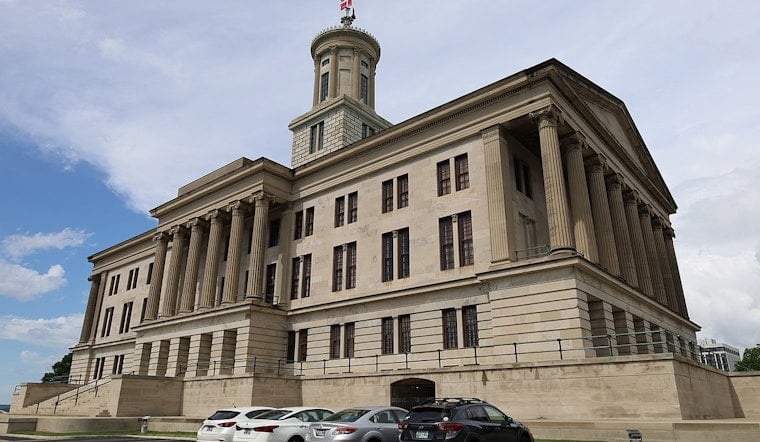
A proposal moving through the Tennessee General Assembly could let judges send certain foster children to juvenile detention even when the kids have not been charged with a crime. The bill would carve out a new legal category for some youth in state custody and give courts and the Department of Children's Services new tools to place them in secure, jail-like facilities. Backers frame it as a safety fix; critics say it risks turning trauma and placement failures into a fast track to lockup.
What SB1868 Would Change
As outlined by the Tennessee General Assembly, SB1868 would define a "child in need of heightened supervision" and add that label to the list of reasons a court can order detention. The draft would allow courts to treat those children like juveniles alleged to be delinquent for placement and commitment decisions, and it includes language that can extend an indefinite commitment after an assault on staff. If passed, the law would take effect July 1, 2026.
DCS And Lawmakers Say It Is About Safety
As reported by WPLN, DCS legislative director Jim Layman told lawmakers the department is increasingly receiving children whose behaviors make them extremely hard to place and that the proposal is meant to protect staff and other youth. DCS Commissioner Margie Quin told the same hearing that violent children need to be held accountable, according to that outlet. Supporters argue the bill would give judges one more option when every other placement has broken down.
Critics Call It A Shadow Justice System
Vanderbilt law professor Cara Suvall warned the change would create a "shadow juvenile justice system" that lacks basic legal safeguards, as detailed by NewsChannel 5. Former foster youth and advocate Ella Bat-Ami, who helped write last year's foster care bill of rights, said the plan "functionally criminalizes being a child" and urged lawmakers to amend it heavily or toss it out. Opponents say the bill would punish predictable trauma responses instead of investing in the supports that prevent placements from blowing up in the first place.
Context: A System Stretched Thin
A state performance audit released in December 2025 flagged long-standing placement shortages and found children sleeping in state office buildings while they waited for foster homes, according to the Tennessee Comptroller's report index. Local reporting has documented that the department is expanding secure bed space and building high-security placements, a trend advocates fear SB1868 would put on steroids. Critics argue that combining a bed shortage with broader detention powers is a recipe for funneling traumatized youth into punitive environments instead of treatment settings and family-based care.
Legal Implications
Under current Tennessee law, juvenile detention centers generally hold children who have been charged with delinquent acts, and the statutes spell out who can be detained and for how long. As amended by SB1868, the code would explicitly allow children labeled as needing heightened supervision to be detained or committed in the same ways as delinquent juveniles, and it would add mechanisms to extend certain indefinite commitments after assaults on staff. Those changes could alter due-process paths, who is eligible for which placements, and which federal dollars the state can claim, according to the bill text and existing juvenile code.
What Is Next
SB1868 and its companion HB2526 have cleared their first procedural hurdles and are listed as pending in committee with a public hearing set in the coming days, per online legislative tracking sites. Lawmakers will hear testimony and can revise the bill before taking a vote, and advocates and legal experts say that committee work is the best shot at tightening definitions, adding oversight, and shoring up due-process protections.
Advocates argue lawmakers should fix placement capacity and oversight before expanding detention authority, not the other way around. As NewsChannel 5 reported, the upcoming hearing is the moment for Tennesseans to press for changes that address safety concerns without turning foster care into a backdoor to juvenile detention.





