

























































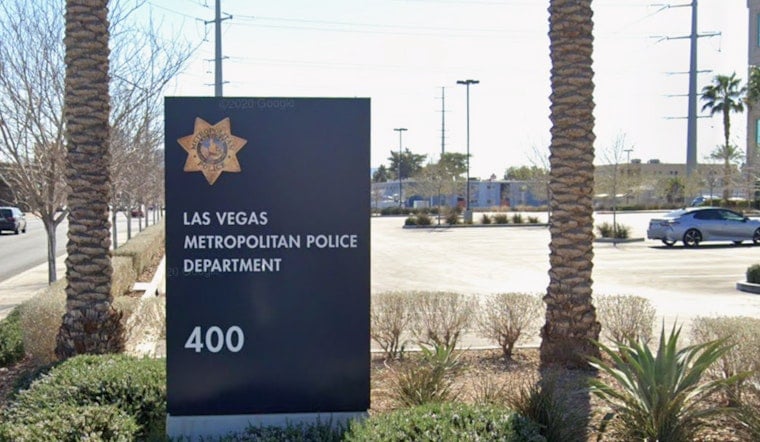
A Las Vegas judge on Friday swatted away key parts of a legal challenge to the Las Vegas Metropolitan Police Department’s cooperation deal with U.S. Immigration and Customs Enforcement, ruling that the ACLU of Nevada did not have standing on at least some of its claims. The decision trims back the lawsuit and, for now, leaves Metro’s renewed 287(g) partnership with ICE in place.
The ACLU filed the suit in October on behalf of detainee Sergio Morais‑Hechavarria, targeting Metro’s June 2025 287(g) arrangement. The group argues the agreement lets officers hold people for ICE beyond their scheduled release and that those practices violate Nevada law under Dillon’s Rule and statutes that require federal reimbursement, according to The Nevada Independent. The complaint also names Clark County Sheriff Kevin McMahill and asks the court to declare the agreement unlawful and to end ICE-related holds the ACLU says have kept people stuck in custody.
District Judge Monica Trujillo ruled Friday that the ACLU lacked standing to push certain portions of the complaint, as reported by the Las Vegas Review-Journal. “We will continue filing challenges so courts can decide the merits of the agreement,” ACLU of Nevada Executive Director Athar Haseebullah told the paper, signaling that the legal fight is nowhere near over.
The lawsuit and the detainee's case
The petition argues that LVMPD’s 287(g) memorandum authorizes officers to execute civil immigration warrants inside the Clark County Detention Center and to hold people for up to 48 hours after their scheduled release. According to the ACLU, those actions go beyond what local agencies are allowed to do under state law. The filing also contends that an ICE detainer kept petitioner Sergio Morais‑Hechavarria from being transferred to a court‑ordered inpatient treatment program. Those allegations and the requested relief are detailed in the group’s briefing, available from the ACLU of Nevada.
How the case unfolded
ACLU attorneys told the court that two days after they filed the lawsuit, Metro transferred Morais‑Hechavarria into ICE custody and he was later removed from U.S. custody. That sequence prompted the judge to request additional briefing on whether the dispute had become moot, according to Courthouse News Service. The ACLU has argued that the transfer undercut the plaintiff’s ability to obtain relief in state court.
What’s at stake legally
At the center of the case is a relatively dry question of Nevada municipal law with very real consequences. The ACLU’s theory is that Nevada’s use of Dillon’s Rule, along with statutes such as NRS 211.060 and NRS 31.470, bars local agencies from entering into or carrying out 287(g) agreements unless the Legislature has clearly signed off. The group lays out that reading of state law in its brief from the ACLU of Nevada. If a court ultimately agrees, it could sharply limit how Nevada counties and cities work with ICE, although Judge Trujillo’s standing ruling slows how quickly those bigger questions will be answered in this particular case.
For now, ACLU lawyers say they intend to keep pressing their legal attacks on Metro’s arrangement with ICE, and they indicated that more filings are on the way. Metro did not respond to a request for comment late Friday afternoon, the Las Vegas Review-Journal reported, leaving advocates and local officials waiting to see where the next round of this fight lands.




