

























































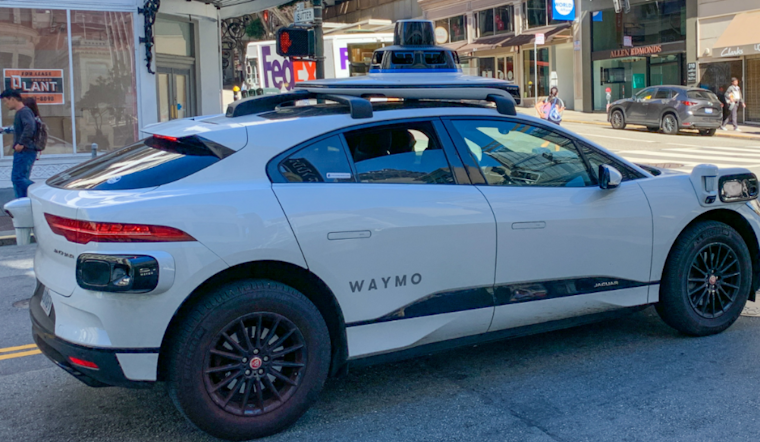
Waymo spent this week leaning on Maryland lawmakers to clear the road for its driverless robotaxis, including service in the Baltimore region. Company representatives told legislators the vehicles could cut crashes and expand mobility for people who cannot drive. Some residents and safety advocates, however, pointed to recent glitches and argued that tougher guardrails need to come first. The push arrived in Annapolis as lawmakers weigh whether to write rules that would explicitly allow fully autonomous fleets on Maryland roads.
Waymo Appeared Before Both Chambers
Yesterday, Waymo representatives testified before both the Maryland House of Delegates and the state Senate, urging passage of two companion measures that would authorize fully autonomous fleets to operate without any human behind the wheel. Explaining how the service would work for riders, spokesperson Ethan Teicher told lawmakers that "all you need to do is use the Waymo app," a detail reported by CBS Baltimore.
What The Bills Would Do
The measures mirror legislation filed previously, most notably House Bill 1256 and Senate Bill 949. The proposals would create a statutory framework for "fully autonomous vehicles," require companies to file law-enforcement interaction plans, and treat an automated driving system as the vehicle's "operator" while it is engaged. The bill text also includes registration, minimum security, and crash-reporting requirements and gives the Motor Vehicle Administration new oversight responsibilities. The full bill language is available from the Maryland General Assembly.
Waymo’s Safety Case
Waymo pointed lawmakers to its internal safety data as it argued for the changes. In a Feb. 17 letter to Sen. Ed Markey, the company said that across its first 127 million fully autonomous miles, it has seen about 90 percent fewer serious-injury-or-worse crashes than human drivers. That information is outlined in a response available from Waymo.
The company also noted its paid robotaxi operations in multiple U.S. cities and has publicly announced plans to expand into the Baltimore–Washington region in posts on its Waymo blog.
Local Doubts and A Viral Video
Not everyone in Baltimore is eager to hail a driverless ride. Some residents told reporters they prefer ordinary cars and worry about lost driving jobs and new costs for people who rely on driving income. Supporters counter that engineering can be fixed more easily than human behavior, a point voiced by SafeRoadsMD founder John Seng. Those comments were reported by CBS Baltimore.
Public anxiety ticked up after a video circulated that showed a Waymo vehicle briefly blocking traffic and interfering with an ambulance during an Austin shooting response, an event documented in local coverage. The video and EMS comments were detailed by KXAN (via Yahoo).
Policy Fight: Jobs, Safety And Oversight
The Maryland debate tracks a broader national fight over who writes the rules for autonomous vehicles, whether it will be states, federal agencies, or Congress, and how strict those rules should be. Federal lawmakers have recently held hearings where Waymo and other industry figures testified about the need for a national framework and strong oversight, a discussion noted in U.S. Senate Commerce Committee materials.
For now, labor groups, safety advocates, and insurers are among those watching closely as the details of liability, remote-assistance practices, and emergency-response protocols get hammered out. Hearing notes and related documents are available from the U.S. Senate Commerce Committee.
What Comes Next
Lawmakers in Annapolis are expected to continue committee discussions this session and can draw on the bill text and previous briefings as they weigh amendments and oversight language. Waymo has said it will work with state agencies and first responders as negotiations move forward. The outcome will determine whether Maryland joins other states that have cleared the way for robotaxi services or opts for a slower approach.
Previous committee materials and briefings are available through the legislature for readers who want to dig into the primary documents. One set of briefing materials is posted by the Maryland Senate Judicial Proceedings Committee.





.jpg)