

























































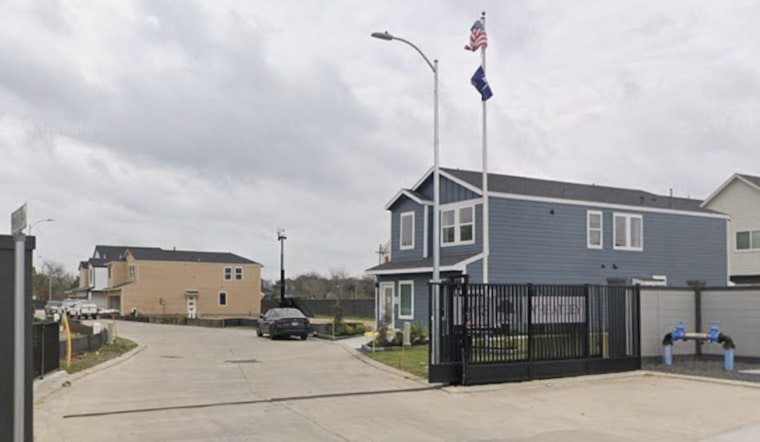
Longtime residents of Houston's Acres Homes say their neighborhood is getting squeezed as taller homes and new developments move onto family-owned lots. In response, organizers are staging a "44 Day" gathering this Saturday at the Acres Homes Multi‑Service Center, promising a community wall, conversations about the neighborhood's future and, they hope, a unified pushback against what many see as an existential threat.
Neighborhood Snapshot
According to City of Houston planning documents, Acres Homes spans roughly nine square miles and had a 2019 median household income near $35,800. The area was originally platted with lots sold by the acre, a setup that helped it grow into one of Houston's largest historically Black communities. That history, paired with those big lots, is a big reason residents say the wave of new construction feels so threatening. The Kinder Institute at Rice University has noted that Acres Homes was annexed into Houston in stages and still carries a semi‑rural character that many locals are determined to hang onto.
Developers, New Builds And Empty Lots
Builders and spec buyers have been piecing together tracts and putting up multistory townhomes and larger houses on what used to be family parcels, a shift neighbors say is quickly changing the look and feel of their streets. As reported by Click2Houston, some new four‑bedroom homes in the area have been listed around $350,000, a price tag developers describe as accessible but that longtime residents argue can still push families toward the exits. "Absolutely. It is gentrification," one community leader told Click2Houston.
Organizing And The '44 Day' Response
Local organizers, including the Acres Homes Community Advocacy Group, are framing Saturday's "44 Day" as equal parts neighborhood celebration and act of resistance. In coverage of the construction surge, CW39 Houston reported executive director E. Rain Eatmon saying the neighborhood has existed for more than a century and that fast‑moving development is putting its identity and legacy at risk. Community partners such as MD Anderson's Be Well initiative also list programming tied to the "44 Day" activities, a sign that local groups are trying to channel concern over gentrification into resident‑driven planning for what comes next.
Policy Tools And Limits
Residents point out that Houston's lack of traditional, citywide zoning can make it easier for developers to build "by right," with fewer hurdles when they want to put denser projects on long‑held land. In recent years the city has promoted conservation districts as one way to help preserve neighborhood character. As reported by FOX 26 Houston, those districts add extra layers of design and demolition oversight, though critics warn they will not do much to prevent displacement unless they are paired with subsidies or enforceable affordability rules. That tension between protecting buildings and protecting residents is at the heart of the Acres Homes debate.
Neighbors say they are not against investment itself. What they push back on is one‑dimensional development that trades multigenerational households for short‑term profits and leaves basic amenities out of the picture. In interviews with Click2Houston, community leaders urged builders to bring grocery stores, health centers and other everyday services along with new housing, and to engage residents in a way that lets long‑established families stay put in the neighborhood they built.




