

























































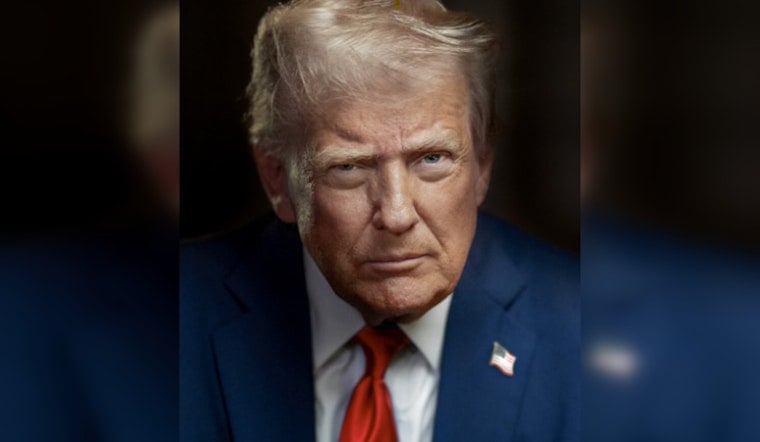
The U.S. House of Representatives on Thursday signed off on a bipartisan deal to fund most of the Department of Homeland Security, ending the longest agency shutdown in American history and sending the measure to President Donald Trump. The package restores regular funding for the Transportation Security Administration, the Coast Guard and FEMA, while keeping immigration enforcement dollars on a separate track.
As reported by the Associated Press in the Los Angeles Times, the House cleared the measure by voice vote, skipping a formal roll call, then rushed it to the White House. Lawmakers in both parties framed the move as urgent after warnings that short-term patches to keep some frontline workers paid were about to dry up.
The Department of Homeland Security had been running without regular appropriations since Feb. 14, which meant weeks of unpaid work for thousands of frontline employees and mounting strain at airport checkpoints and in emergency operations, according to Fox San Antonio. The White House had already warned that temporary steps used to keep some TSA paychecks coming were “soon” going to run out, raising near-term worries about flight delays and cancellations.
Senate Unanimity Turned Up The Heat On The House
Pressure on the House spiked after the Senate unanimously backed its own bipartisan funding plan in late March, approving money for most DHS components and signaling that the upper chamber was done waiting, according to CBS News. That rare show of unity across party lines left House leaders with far less room to blame procedural hurdles for the delay.
Immigration Money Split Off From The Main Bill
To get the deal across the finish line, House leaders pulled funding for U.S. Immigration and Customs Enforcement and Border Patrol out of the main package. Instead, they moved the more explosive immigration spending fight onto a separate budget track that Republicans say could unlock roughly $70 billion for enforcement through reconciliation. That procedural maneuver and the House budget strategy were detailed in AP-syndicated coverage of the vote.
The split-screen approach let money for TSA, FEMA, the Coast Guard and other DHS branches move forward while the broader brawl over immigration policy continues in its own lane.
What Travelers And DHS Workers Will See Next
If Trump signs the bill, day-to-day operations at airports and across DHS should start to stabilize. That includes paychecks resuming for workers who have been keeping security lines and disaster response going, often without pay. Industry groups and union leaders are cautioning, though, that back pay, staffing shortages and hiring gaps are not going to disappear overnight.
Congress has repeatedly kicked around stand-alone fixes that would guarantee pay for air traffic controllers and TSA officers during future shutdowns. Those proposals keep stalling out before they reach the president’s desk, according to Courthouse News Service.
How The Standoff Dragged On So Long
The slow-motion breakdown in the House was fueled by internal GOP divisions and a razor-thin Republican majority that left leaders wary of angering hard-liners. That math pushed them to rework the package instead of simply taking up the Senate bill, according to reporting that republished Reuters coverage.
The decision to carve immigration enforcement out of the broader DHS funding bill was designed to crack a partisan logjam that had left key security and emergency functions effectively unfunded for weeks.
“It is about damn time,” Rep. Rosa DeLauro, the top Democrat on the House Appropriations Committee, said after the vote, a line highlighted by Fox San Antonio. Lawmakers in both parties stressed that the priority was preventing more chaos at airports and in disaster response.
With the measure now on the president’s desk, agency officials say it will take several days to process payments and fully restart normal operations. Unions plan to watch closely to see how quickly back pay lands and regular schedules return. Members of both parties say they are hoping this deal buys enough breathing room to hammer out a longer-term spending plan and avoid another round of shutdown brinkmanship.


.jpg)