

























































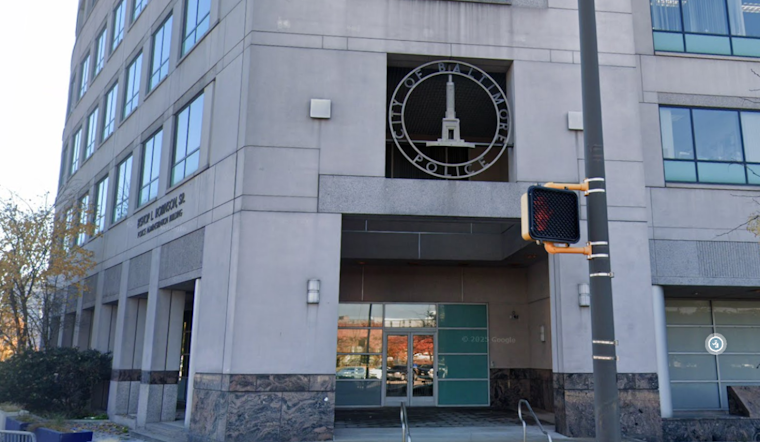
Yesterday, a federal judge nudged Baltimore a little closer to the finish line in its long-running police reform saga, cutting loose three sections of the city’s 2017 consent decree while warning that serious discipline and training problems are still blocking a full exit.
U.S. District Judge James Bredar told the court that the Police Department has largely successfully transitioned to being an efficient and high-functioning law enforcement organization. Then he zeroed in on what he called an "outlandish" backlog of internal discipline cases. Court figures tied roughly 768 officers to about 625 pending matters, and Bredar pressed the city to move those cases much faster, according to WBAL NewsRadio. The record shows the department has brought in outside legal help to push cases forward, and Commissioner Richard Worley has warned that state law sharply limits negotiation once an officer asks for a trial board.
The court terminated decree sections covering First Amendment-protected activity, coordination with Baltimore City School Police, and the Community Oversight Task Force. Those parts came off the books after the city and the U.S. Department of Justice filed a joint motion arguing the department had reached sustained compliance, Bredar said. City officials told the court they now view more than 83% of the decree as either in compliance or on track. They also pointed to recruitment gains, including nearly 1,000 applicants in the first quarter of 2026 and a net increase of 81 officers in 2025. Additional hearings in May are set to keep the pressure on, as reported by WBAL NewsRadio.
Monitoring Team: Force Down, Oversight Still Spotty
The monitoring team’s September 2025 use-of-force review found that officers are using force less often and that many policy and training reforms have taken hold. At the same time, the monitors flagged ongoing weaknesses in how higher-level force incidents are supervised and reviewed. The full assessment lays out both the progress and the remaining gaps, according to the monitoring report from the BPD Monitoring Team.
The consent decree itself spells out how sections move into sustainment and what it takes to terminate court oversight. Sustained compliance and continuing outcome assessments are required before the court will fully close portions of the agreement, as explained in the decree filed with the court.
Discipline Backlog Remains The Big Roadblock
Bredar and the monitors singled out the backlog of disciplinary hearings as the single biggest obstacle to shutting the case down. When misconduct cases sit unresolved, the department’s ability to prove that accountability is real and sustained is limited. The judge pushed for a pace faster than the current rate of roughly 11 to 14 cases a month and reminded the city that sustainment, and ultimately the end of federal oversight, depends on consistently resolving those matters.
Next steps may look procedural, but they are where the case is won or lost. The court plans to use monthly hearings to test whether sustainment plans hold, whether the department continues to staff and train appropriately, and whether disciplinary cases are wrapped up in a timely way. For local context on the department’s recent milestones and earlier efforts to shed oversight, see Hoodline’s summary of recent compliance milestones.





