

























































Forty percent of Massachusetts households struggled to reliably put food on the table in 2025, a record high that translates to about 1.12 million homes across the state. That figure, up from 37 percent the year before, marks a sharp break from pre-pandemic norms and has local food pantries stretched to the limit. The new statewide report finds food insecurity hitting Hispanic, Black and LGBTQ+ households especially hard, and notes that "very low food security" - when families are sometimes skipping meals - is also climbing. Pantry directors say the spike is reshaping who lines up for help and how often they come back.
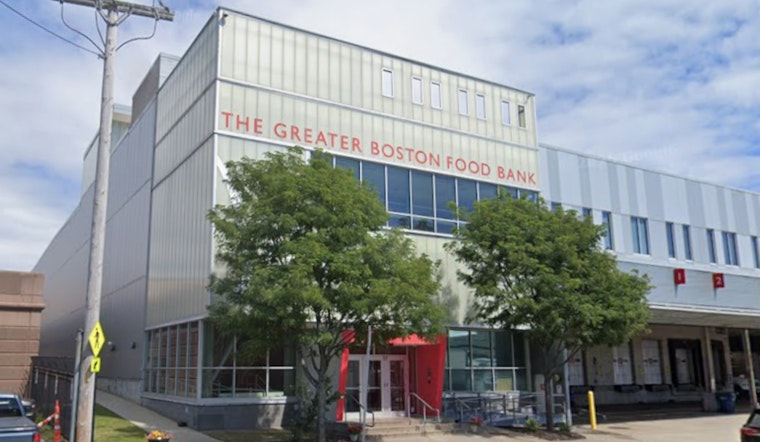
According to The Greater Boston Food Bank, which compiled the report with Mass General Brigham, the share of households experiencing very low food security rose to 25 percent in 2025. Reliance on food and nutrition assistance programs is now at a six-year high. The study draws on roughly 18,000 survey responses collected over six years and ties worsening access to food to a familiar trio: rising housing costs, more expensive groceries and growing economic instability.
The Boston Globe reports that GBFB President Catherine D'Amato called it "a very difficult year for people across the Commonwealth." The Globe also spotlights the Salem Food Pantry, which has ballooned from an all-volunteer operation into an 18-person staff and served 32,780 individuals in 2025, an illustration of how demand has forced small neighborhood efforts to scale up into full-fledged organizations.
Pantries Packed And Clients Coming Back More Often
As detailed by The Greater Boston Food Bank, a record 56 percent of food-insecure households turned to community-based programs such as food pantries in 2025. Three-quarters of families on SNAP said their benefits were not enough to get through the month. Local partners report that people are visiting more frequently and arriving with more serious needs, including a rising demand for fresh produce and medically appropriate food.
Food banks say this is happening at the same time federal commodity shipments have shrunk and private donations have dipped, turning what used to be emergency pick-ups into something closer to a weekly lifeline. For many families, the pantry is no longer a short-term bridge. It is becoming part of the regular grocery plan.
What It Would Take To Close The Gap
Based on survey responses, households say they need about $100 more per week to avoid relying on food pantries, a shortfall that adds up to roughly $3.3 billion statewide, according to Axios Boston. In response, the food bank is urging lawmakers to boost annual funding for the Massachusetts Emergency Food Assistance Program by $58 million. Gov. Maura Healey's budget proposal includes about $55 million for the program, Axios reports, leaving advocates to argue that a bit more state money and restored federal support could ease the burden on charities while improving what families actually have on their plates.
Legal And Policy Stakes
The report links part of the surge in hunger to recent federal policy shifts, including changes under the One Big Beautiful Bill Act that tightened SNAP eligibility rules and added work requirements. Those moves have already reduced or canceled benefits for more than 150,000 Massachusetts residents, according to The Boston Globe. The study also notes approximately $3.4 million in cuts to USDA emergency food assistance, which shrank the pool of federal commodities available to food banks across the state.
The authors warn that legal and administrative changes like these risk locking the Commonwealth into a long-term dependence on charity unless policymakers intervene. For now, pantries are trying to keep up by expanding hours, running more mobile distributions and hiring staff. But leaders say those moves are temporary fixes. The new report is blunt about where things stand: hunger in Massachusetts has moved from a short-term crisis to a structural problem, and solving it will require sustained public investment, not just another food drive.


