

























































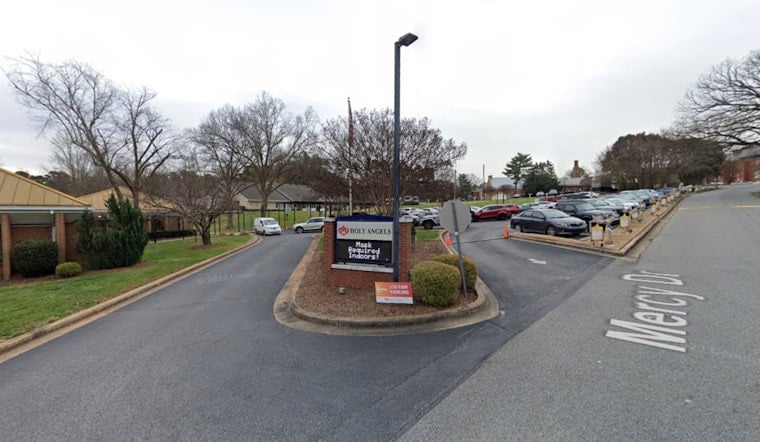
On Friday night, April 17, a quiet corner of Belmont turned chaotic when two transformers exploded and sparked a small but high-stakes fire inside the Morrow Center at Holy Angels. Staff and responding fire crews evacuated 20 residents with complex medical needs and stopped the flames from spreading, but the building's central hub wound up smoky, disrupted and partly unusable.
In a post on Holy Angels, the nonprofit said an alert staff member smelled smoke, called 911 and helped start evacuations "before any fire alarm sounded," a quick response the organization credited with keeping everyone safe. The group said 20 residents were displaced and more than 50 employees were pushed out of their offices, describing the long night as "full of those Mercy Moments."
Two transformers exploding along Wilkinson Boulevard triggered a power outage and set off the internal office fire, according to WBTV. Firefighters from Belmont, Mount Holly, New Hope, Cramerton, West Mecklenburg and Gaston County rolled in with seven trucks and knocked the blaze down, and fire crews said "it would have been a very different story" if flames had made it past the door that held them back.
Damage, Smoke and Equipment Loss
While the fire itself stayed confined to a single interior office, thick smoke moved through much of the Morrow Center, leaving soot on bedding, toys and specialized medical equipment. Holy Angels said the smoke and electrical surge damaged "much of what we use daily," and partners including Atrium Health and CaroMont opened their doors so some residents could stay where the right equipment is already in place. The nonprofit added that one longtime staff member's office, where she had worked for 44 years, was destroyed, but a picture of a guardian angel on the wall managed to survive.
Community Response and Recovery
Local contractors, volunteers and donors have quickly stepped in to help with cleanup and begin replacing damaged equipment, and Holy Angels says a full assessment of the Morrow Center is underway. Leaders report that residents' daily routines have continued where possible while staff and partner organizations juggle repairs, relocations and the long list of items that now have to be replaced.



