

























































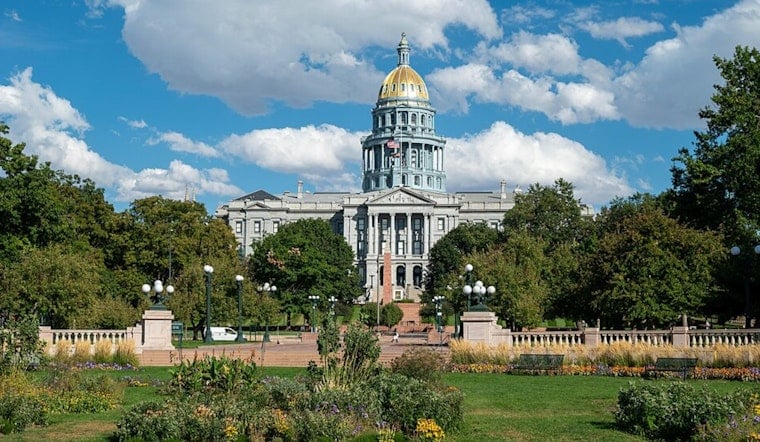
Colorado lawmakers are pushing a bipartisan crackdown on lobbying at the Capitol that would force the governor’s office and other state agencies to follow the same disclosure rules as private lobbyists. The measure has already cleared the Colorado Senate this month, but it now runs straight into a likely veto from Gov. Jared Polis. Sponsors say the bill would require administration lobbyists to register publicly, declare whether they support, oppose, amend, or monitor legislation, and honor a two-year cooling-off period before former lawmakers can lobby their old agencies. With the legislative session winding down, lawmakers and lobbyists are watching the clock to see whether the measure survives the governor’s review.
What SB26-147 would change
SB26-147, introduced March 25 and carried by Sen. Lisa Cutter, Sen. Rod Pelton, Rep. Dusty Johnson, and Rep. Meg Froelich, would require legislative liaisons, judicial lobbyists, and employees of the governor’s office who engage in lobbying to register annually and file monthly disclosure statements that list bill numbers and indicate whether they support, oppose, amend, or monitor legislation. It would also bar a statewide elected official or member of the General Assembly from being designated to lobby for a state agency for two years after leaving office, according to the Colorado General Assembly.
Supporters say it adds needed transparency
Supporters from both parties told committee members the proposal is aimed at rebalancing power between the branches and giving lawmakers and the public a clearer paper trail on where state agencies stand on pending bills. Lobbying association leaders Kachina Weaver and Lacey Hays told the panel the bill closes a reporting gap. Hays said, “It is extremely difficult to understand why the governor's office and the judicial branch are not supportive of transparency,” as reported by the Denver Gazette.
Opposition and the governor
Committee paperwork listed Rocky Mountain Gun Owners as the only organized opponent at the hearing, and backers note the bill won unanimous votes in the committees where it was heard before passing the Senate 30–4. But Gov. Jared Polis is opposed. “Sources have told Colorado Politics it’s the No. 1 bill on his veto list,” Denver Gazette reports, setting up the possibility of an override fight if the House keeps pressing ahead.
Timing and what comes next
SB26-147 now awaits action in the House Appropriations Committee after being referred by the House State, Civic, Military & Veterans Affairs panel, according to the Colorado General Assembly. The General Assembly is scheduled to adjourn on May 13, and Colorado’s timeline for gubernatorial action changes as that date approaches. If a bill reaches the governor with fewer than 10 days left in session or after adjournment, the governor has 30 days after sine die to sign or veto, a deadline that can affect the prospects for an override, as explained by LegiSource.
For now, sponsors say they will keep moving the bill through the House while the governor’s office weighs its position. If Polis holds firm on a veto, SB26-147 will become a test of whether bipartisan support in the legislature can overcome the governor’s objections in the closing days of the session.





