

























































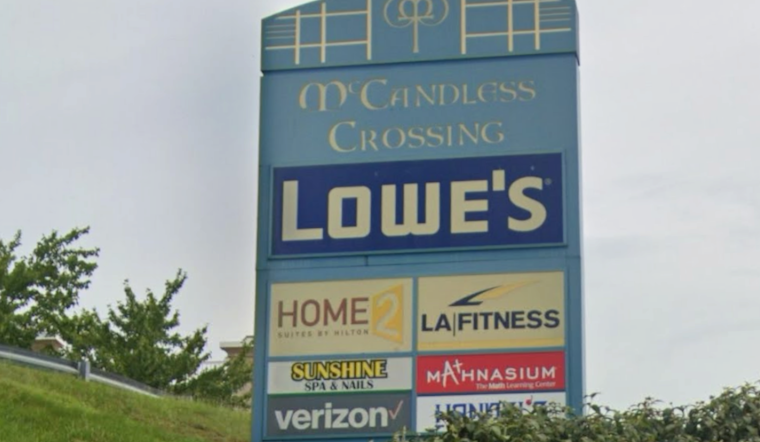
Shoppers at McCandless Crossing got an unexpected light show last night when an electric vehicle erupted in flames while plugged in at a charging station. The EV was destroyed, several nearby cars were damaged, and the plaza was filled with smoke, but authorities said no one was hurt.
Fire crews pulled up to find the vehicle already fully engulfed, with bystanders backing away as the blaze grew. Witnesses reported loud pops and bright flashes coming from the car. “Every explosion, it seemed like the flames got bigger,” recalled Robert Zedo. Another woman who heard a sharp pop bolted from her car and called 911 as firefighters attacked the flames, according to CBS Pittsburgh.
What officials said
McCandless Fire Marshal Jeff Wissner told CBS Pittsburgh that the EV’s battery pack, mounted under the vehicle, made the fire especially tough to fight. He noted that those packs can emit gases like hydrogen cyanide and hydrogen fluoride, both dangerous to breathe, and said the system does not need oxygen to burn. Wissner warned that damaged battery packs can smolder internally and sometimes reignite days or even weeks after the initial incident.
He added that a neighboring company brought over a specialized underbody nozzle to pump water directly beneath the car, a tool that runs about $3,000 and is still out of reach for many departments dealing with tight budgets.
Why EV blazes can be stubborn
Fire experts point to battery thermal runaway, a chain reaction inside lithium-ion cells that can drive temperatures sky high and vent toxic gases, as a key reason EV fires can be far more stubborn than traditional engine fires. A 2017 study in Scientific Reports measured hydrogen fluoride and other hazardous compounds released during lithium-ion battery fires.
The U.S. Fire Administration’s latest EV response guide warns that battery packs can hold “stranded energy” even after the visible flames are out, creating a risk of reignition and demanding long, water-heavy cooling operations. The guide urges departments to plan for extended water application and continued monitoring because knocking down the visible fire does not always end the danger, according to the U.S. Fire Administration.
Tools, training and costs
To keep up, some crews and private contractors are turning to underbody spray nozzles, sometimes nicknamed “turtle” devices, along with heavy tarps designed to contain vapors and direct water onto battery packs. In one recent Minnesota incident, firefighters used an underspray device for hours and went through tens of thousands of gallons of water to keep an EV fire in check, the Star Tribune reported.
Departments that cannot afford those tools or the training that goes with them are increasingly looking to federal help. FEMA’s Assistance to Firefighters Grants and Fire Prevention & Safety awards are among the main funding streams for new gear and EV-focused training, according to FEMA.
Back at McCandless Crossing, firefighters were able to knock down the main blaze on the scene and keep it from spreading further across the lot. No injuries were reported. The incident is the latest reminder that as EVs become more common, local departments are being pushed to update tactics, tools, and budgets to handle a very different kind of car fire.





