

























































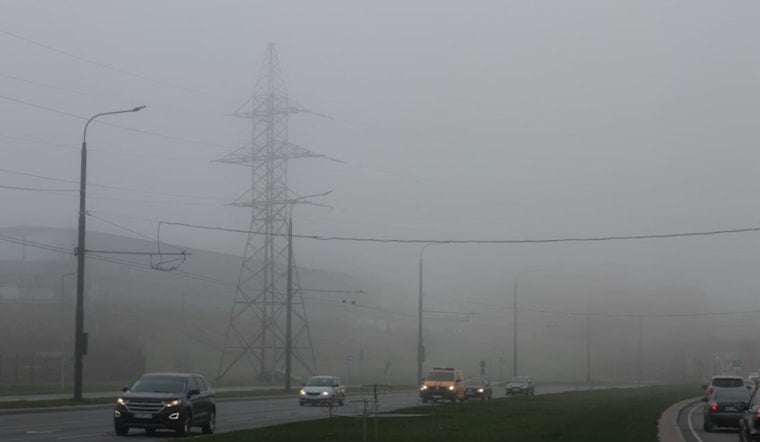
Mecklenburg County just got a failing grade on its air report card, with the American Lung Association handing the Charlotte area an F for high ozone days and a C for short-term particle pollution. The group counted 10 Code Orange ozone days and one Red day in the 2022-2024 window, making Mecklenburg the only North Carolina county to land an F. That puts Charlotte-area smog risk above much of the rest of the state, even if the metro still avoids the very worst rankings nationwide.
State of the Air: What the Numbers Show
The grades come from the American Lung Association’s 27th annual “State of the Air” report, which uses 2022-2024 monitoring data to score counties on ozone and particle pollution. According to the American Lung Association, Mecklenburg logged 10 code-orange ozone days and one red day, enough to earn that failing ozone grade while short-term particle pollution averaged out to a C.
Local Doctors Warn About Smog's Short-Term Harms
Those grades are not just academic. David Peden, a pediatric immunologist and allergist who spoke with reporters, told The Charlotte Observer that ozone irritates the airways and can trigger asthma, adding that on bad days “they may actually find it difficult to take a really big, deep breath.” He said people with asthma or other vulnerabilities should favor exercising indoors, keep inhalers close by, and plan outdoor activities for the morning hours, when ozone levels are typically lower.
What 'Code Orange' and 'Red' Mean for Everyday Life
Per the North Carolina Department of Environmental Quality, a Code Orange Air Quality Action Day means conditions are “unhealthy for sensitive groups,” while a Red day is considered “unhealthy” for everyone, so officials advise limiting outdoor activity when the index hits Red. The state also notes that open burning and some yard-waste fires are restricted on Action Days at Code Orange or above, and that local forecasts are posted on its Air Quality Portal, according to the North Carolina Department of Environmental Quality.
Why Ozone Is Rising
Nationally, the American Lung Association found that ozone has ticked up in many places after years of improvement. Reporting in The Washington Post links that reversal to hotter summers and policy changes that have weakened some federal protections. The ALA report also warns that nearly half of U.S. children live in areas with failing grades for at least one measure of air pollution.
What Mecklenburg Is Doing
Mecklenburg County Air Quality points to its monitoring network, incentive programs that replace aging diesel engines, and outreach campaigns like the Fresh Air Rides challenge as tools to cut the vehicle and energy emissions that build ground-level ozone. County officials say those efforts help the region stay within federal standards on most days while they push for longer-term reductions, according to Mecklenburg County Air Quality.
How Residents Can Protect Themselves
Health agencies advise checking daily forecasts at AirNow or the NC Air Quality Portal before planning outdoor time, avoiding strenuous exertion on high-ozone days, and shifting workouts to the morning when ozone usually runs lower. Indoor air filtration, keeping quick-relief inhalers on hand, and skipping open burning on Action Days are also part of the standard playbook, according to AirNow and the NC Air Quality Portal.
The failing grade is a blunt reminder that one clean-air metric does not erase routine risks on hot, sunny days and that local policy and day-to-day choices both matter. “Cars are our number one source of air pollution,” Mecklenburg County Air Quality Director Leslie Rhodes said in the county’s Fresh Air Rides announcement, underscoring transportation as an immediate target for reduction, according to Mecklenburg County.


