

























































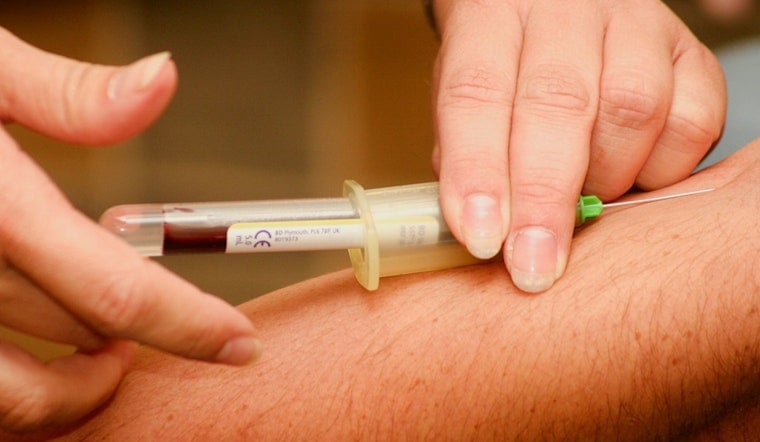
In exam rooms across the Chicago area, patients are telling doctors they are ready to roll up their sleeves for a blood test that might flag Alzheimer’s disease. Many clinicians, though, are tapping the brakes, reminding patients that these new assays are a tool for screening and triage, not a one-and-done answer. Even when a blood result is available, specialists still urge confirmatory imaging, counseling, and careful follow-up.
What patients told researchers
In a survey of nearly 600 adults seen in primary care, roughly 85% said they would agree to a blood-based Alzheimer’s test if their clinician recommended it, according to Northwestern University. The respondents, whose average age was 62, reported a strong interest in testing even though nearly three in four expected that a positive result would cause significant emotional distress.
What the tests measure — and what they don't
Most of the new blood assays look for abnormal forms of amyloid or phosphorylated tau proteins that line up with the plaques and tangles seen in the brains of people with Alzheimer’s. The FDA has cleared Fujirebio’s Lumipulse G pTau217/ß-Amyloid 1-42 test for adults 55 and older who already have cognitive symptoms. The agency stressed that the test “is not intended as a screening or stand-alone diagnostic test” and highlighted the risk of false positives and false negatives, according to the FDA.
Where clinicians stand
Specialists generally agree that blood-based biomarkers have come a long way, yet many are cautious about how far to take them in everyday primary care. As NBC News reports, some neurologists warn there is “zero evidence” that people at the very earliest stages of disease will benefit from the current crop of therapies. Others say the “jury is still out” on whether a blood test alone should ever be used to make an Alzheimer’s diagnosis.
How tests are being used today
For now, blood-based biomarkers are mostly used as a triage tool. Researchers and clinics rely on them to decide which patients should move on to confirmatory PET scans or cerebrospinal fluid testing. Roche’s Elecsys pTau181 test, which has been cleared to help rule out Alzheimer’s-related amyloid pathology in primary care, is being rolled out through Labcorp. The company says broader access could cut down on unnecessary imaging and speed up referrals to specialists, according to Labcorp.
Treatments and trade-offs
Two anti-amyloid drugs now on the market, Leqembi (lecanemab) and Kisunla (donanemab), are designed to slow clinical decline rather than cure Alzheimer’s, and they come with notable risks. Both product labels and company guidance flag the potential for amyloid-related imaging abnormalities, or ARIA, which can include brain swelling and small bleeds. They recommend MRI monitoring and risk discussions that factor in a patient’s genotype, according to the LEQEMBI prescribing information and Eli Lilly.
What patients should ask
Clinical groups say any Alzheimer’s blood test should come with pre-test education, counseling and a clear plan for what happens next, especially if the result is positive. The Alzheimer’s Association clinical practice guideline recommends using blood-based biomarkers in symptomatic patients who are already in specialized care or as a triage test, and it cautions that many commercial assays differ in accuracy, according to the Alzheimer’s Association.
The bottom line for Chicago-area patients and families: interest in a simple blood draw is high, but the science and standards for what to do with that result are still evolving. Before ordering a test, talk with your primary care clinician or a memory specialist about whether it fits your situation and how a positive or negative result would shape your care and long-term planning.





