

























































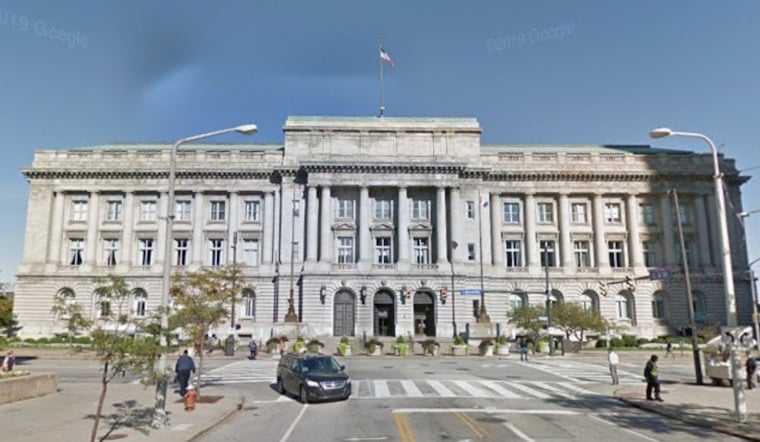
At Cleveland City Hall, veteran official Kevin Schmotzer has been off the job but still on the payroll. The longtime executive of small business development and the city’s LGBTQ liaison has been on paid administrative leave since Feb. 28, 2025, collecting more than $100,000 in salary and benefits while the city refuses to say why he was sidelined.
Records released, few answers
According to Cleveland.com, the city turned over Schmotzer’s personnel file, but it sheds little light on what is going on. The documents do not contain a resignation letter or termination notice and show no record of recent disciplinary action. City officials have told reporters the situation is “a pending legal matter” and have declined to say anything more.
Pay and timeline
Cleveland.com reported that Schmotzer has been on paid administrative leave since Feb. 28, 2025, and that he “earned $105,000 in 2025 from salary and other benefits” while not working in his city role. The outlet also noted that his attorney, Jack Moran, confirmed in May 2025 that Schmotzer was on leave, but Moran would not elaborate on the reason.
Role at City Hall
Schmotzer has been a City Hall fixture since 1998. In 2018, then Mayor Frank Jackson tapped him as Cleveland’s first LGBTQ liaison, according to Ideastream Public Media. The City of Cleveland also lists him among its equity and economic development staff, tying him to small business outreach and downtown initiatives.
Local ties outside City Hall
Schmotzer’s footprint extends beyond municipal government. He is a partner in Pet‑Tique, a longtime Edgewater pet boutique whose website lists its address as 10906 Clifton Blvd, according to Pet‑Tique. His role at the shop and in the neighborhood has been highlighted in local coverage, including a community profile by The Buckeye Flame.
Why this matters
Extended paid leave for public employees can quickly turn into a sore spot for taxpayers, since the paychecks keep coming while most of the details stay locked up. Transparency advocates say that kind of limbo raises accountability questions, especially when cases drag on for months or longer.
The issue is not unique to Cleveland. National and regional reporting has documented similar situations where employees collect six figure sums while off duty. The Sacramento Bee has chronicled local examples in California, and The Washington Post has reported on civil servants left in an ill defined paid leave limbo for months or even years.
Legal and policy implications
Because Cleveland officials describe Schmotzer’s case as a legal matter, they say their hands are tied on what they can disclose while any investigation or litigation is pending. That kind of secrecy has been on federal watchdogs’ radar for years.
A review by the Government Accountability Office urged clearer rules and more consistent reporting on extended paid administrative leave, including how long employees remain on leave and what it costs. How Cleveland ultimately resolves Schmotzer’s status will depend on internal city policies, any relevant union procedures, and potential court or administrative filings.
What to watch
Reporters have requested additional public records and are watching for any developments, including new personnel actions, court filings or a negotiated separation. We have asked city officials for further comment and will update this story if new records or legal documents explain why a longtime Cleveland employee has been kept on paid leave for more than a year.





