

























































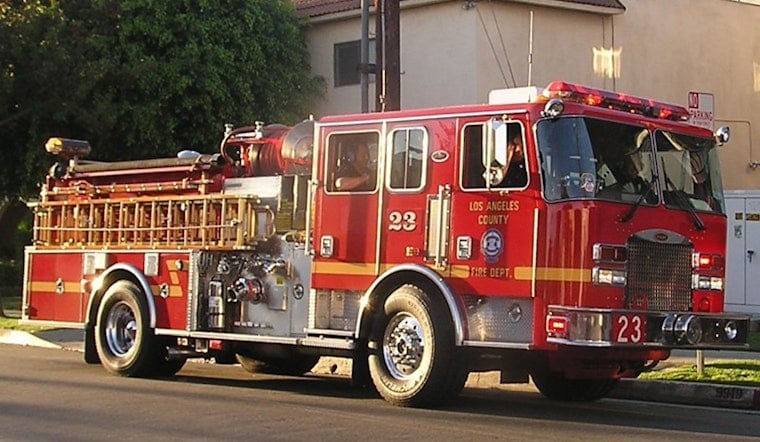
A fast-moving fire tore through a warehouse in the city of Commerce early Sunday, gutting the building and sending a thick column of smoke across the industrial corridor, according to Los Angeles County firefighters. Crews stayed on the job into the morning, chasing lingering hot spots and working to shield nearby structures as the warehouse was reduced to a burned-out shell. Officials said the blaze consumed the materials stored inside.
According to CBS News Los Angeles, the Los Angeles County Fire Department said the warehouse had been storing cotton insulation materials and that the fire destroyed the building. The station reported that officials did not immediately release information on any injuries or a possible point of origin. Crews remained on scene while investigators began an initial review.
Cotton Storage Is Combustible, but Context Matters
Cellulose-based products such as cotton can drive hot, smoky fires when stored loose or contaminated, but laboratory testing has found that tightly compressed cotton bales are much less likely to self‑heat and spontaneously ignite, according to the USDA Agricultural Research Service. A 2002 study subjected baled cotton to cigarette, match and open‑flame exposure and helped change how regulators treat baled cotton in transport. Other research has shown that low packing densities, moisture and dusty conditions increase smouldering risk and make fires harder to detect and put out. Those nuances shape how firefighters attack a blaze and how investigators hunt for an origin point.
Part of a Pattern of Big Warehouse Blazes
The Commerce incident is the latest in a string of large warehouse fires around Los Angeles County this year, including a multi‑building blaze in South El Monte in January that triggered shelter‑in‑place warnings (Los Angeles Times) and a massive distribution-centre inferno in Ontario in April that sent towering smoke plumes into the sky and led to an arrest (Los Angeles Times). Those fires underscored how stored paper, textiles and palletized goods can fuel rapid fire growth and complicate suppression efforts. Local agencies routinely call in specialised hazmat and heavy‑equipment crews to secure scenes and protect surrounding communities.
What Investigators and County Fire Say
Investigators are expected to comb through the charred remains to determine the cause and to assess whether storage practices or building protections played a role in the loss. The Los Angeles County Fire Department’s Health Hazardous Materials Division, which handles hazardous‑materials inspections and incident oversight in Commerce, typically takes part in these investigations, according to the department (Los Angeles County Fire Department). Public information officers had not released a fuller timeline as of the latest reports.
Hoodline will update this story as county agencies release more details about the fire, any air‑quality testing or public‑safety guidance for nearby residents. Expect follow‑ups as investigators wrap up their on‑scene work and agencies publish their findings.





