

























































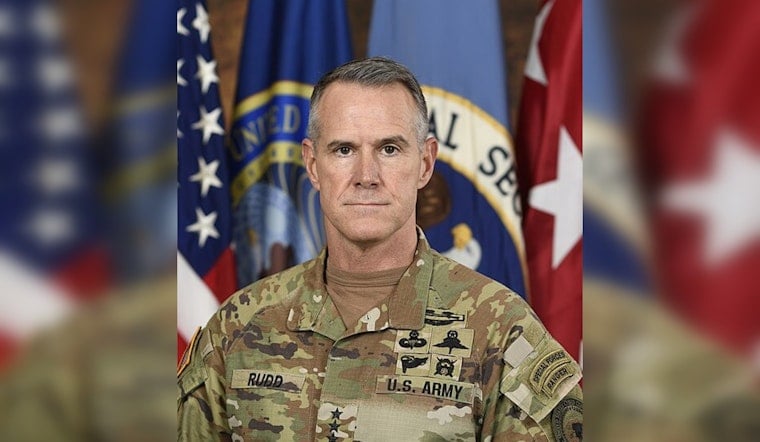
Washington's top cyber brass told senators this week that the interagency Election Security Group, the team that used to coordinate classified offensive and defensive moves against foreign election meddling, has not been reactivated for the 2026 midterms. Lawmakers and former U.S. Cyber Command officials warn that leaving the ESG on ice could open a coordination gap just as foreign adversaries refine their influence campaigns and hacking tools. Officials insist that other monitoring and disruption efforts are still underway, but the absence of a dedicated ESG has already set off alarms on Capitol Hill.
According to The Record, Gen. Joshua Rudd told senators, "I don't know that an ESG has been established yet, but we are prepared to, as required." That straightforward answer surprised some former Cyber Command staffers who had come to see the ESG as a proven hub for pulling together election-related cyber operations in past cycles.
Rudd was confirmed to the dual NSA and Cyber Command post in March, Axios noted, and his testimony has revived bipartisan questions about how the federal government plans to organize its classified cyber authorities and intelligence to safeguard the 2026 vote.
What the ESG Did Before
In previous elections, the Election Security Group pulled together NSA signals intelligence, Cyber Command tools and authorities, and civilian partners to expose and disrupt foreign operations. That included work tied to Iranian intrusions in 2020 and efforts against Russian-linked propaganda operations in 2024, as Security Boulevard reported. Former officials say that kind of classified, cross-agency posture let the United States move faster than any single civilian agency when influence campaigns or covert intrusions flared up.
Why Officials Are Worried
Analysts caution that the most lasting damage from foreign meddling often comes from what voters believe about the security of elections, not just from any technical breach. Reporting republished by ABC17 News highlights one analyst's blunt warning: "the bigger danger is not what foreign actors do, but what Americans believe foreign actors did." That same account notes that the 2025 annual intelligence threat assessment did not explicitly single out foreign efforts to influence U.S. elections, a change that has lawmakers pushing for clearer, more detailed briefings.
Lawmakers Press For Action
Senators pressed Rudd for specifics and quick moves. "A failure to activate the team would be a major national security mistake," Sen. Angus King said, according to reporting. Others pushed for more muscle: Sen. Dan Sullivan suggested that the United States should "flex a little offensive cyber capability" to deter foreign adversaries, The Record reported.
How Campaigns and States Can Prepare
Cybersecurity experts advising election officials and campaigns say the to-do list is not glamorous but is absolutely necessary. Their guidance: tighten multi-factor authentication, lock down vendor access, run tabletop exercises that include disinformation and influence scenarios, and build ties with independent threat-sharing networks. Those steps line up with broader industry recommendations for election IT and campaign security teams if federal coordination lags, according to analysis in Security Boulevard.
For now, Congress and election officials are waiting to see whether Rudd or the administration will formally bring the ESG back online in the coming weeks. Officials say a reconvened group could restart the classified coordination that helped blunt foreign influence efforts in earlier election cycles.



