

























































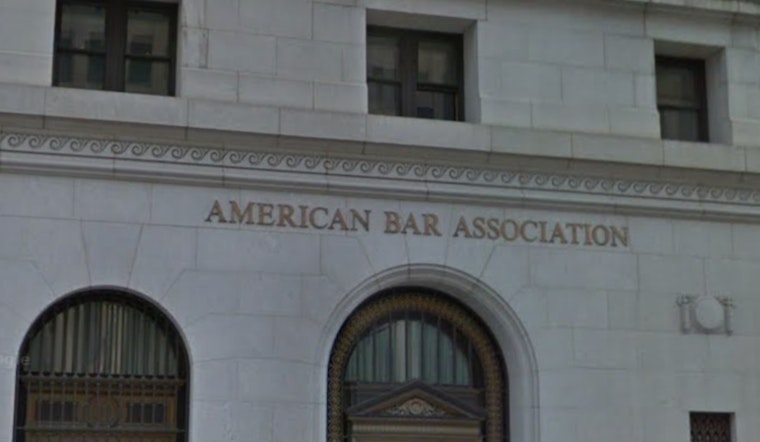
A federal judge in Washington has given the American Bar Association the green light to keep fighting the White House in court, ruling on April 1, 2026 that the ABA can press its claims that the administration orchestrated a campaign to punish and intimidate major law firms over their past legal work, diversity policies and political ties. The decision keeps alive a closely watched battle over how far the executive branch can reach into the independence of the legal profession.
U.S. District Judge Amir Ali concluded that the ABA had plausibly alleged a coordinated effort to pressure firms and their lawyers, and he refused to dismiss the case at this early stage. The ruling leaves in play the ABA's bid for a court declaration that the policy is unlawful and its request for an order blocking officials from enforcing it, according to Reuters.
What the ABA Is Asking the Court To Do
In its lawsuit, the American Bar Association accuses the White House and several federal agencies of running what it calls a "Law Firm Intimidation" policy. According to the ABA, the policy pressures firms by threatening to pull security clearances, limit access to federal buildings and put lucrative government contracts at risk. The association is asking the court for a sweeping declaration that the policy is unlawful and for an injunction stopping the White House and agencies from enforcing it, according to an American Bar Association court filing.
Government Pushes Back
The Justice Department has pushed to toss the case, arguing that the ABA is the wrong party to bring it. Government lawyers say the association lacks standing because it was not directly targeted by the challenged executive orders, and they contend that some of the ABA's claims are too speculative to be heard in federal court. Those arguments were pressed in written briefs and at oral argument by Justice Department attorneys Abhishek Kambli and James Wen, according to Reuters.
Court Rulings and the Broader Fallout
While the ABA case moves forward, several federal judges have already blocked or struck down portions of the administration's individual law firm orders, finding that parts of those measures ran afoul of free speech and due process protections, as reported by the AP. At the same time, nine prominent law firms cut deals with the White House to rescind or sidestep similar orders and collectively pledged close to $1 billion in free legal work, a package critics argue sends a chilling message to firms that might otherwise take on controversial clients or causes, according to The Washington Post.
Where the Case Goes From Here
The lawsuit, American Bar Association v. Executive Office of the President, No. 1:25-cv-01888, is pending in the U.S. District Court for the District of Columbia and sits within a larger cluster of challenges to the so-called law firm orders. The official case number and filing history appear in federal Court dockets. Legal trackers report that the D.C. Circuit has already consolidated appeals in related cases, setting up the appellate court as the likely arena for a high-stakes showdown over the policy, according to Just Security.
ABA Reaction
ABA President Michelle A. Behnke has described the impact of the law firm orders on the profession as "swift, significant and chilling," and the association has cast its lawsuit as a defense of lawyers' ability to represent clients without fear of political payback, according to the American Bar Association. The ABA is represented in the case by Susman Godfrey lawyers Stephen Shackelford and Neal Manne, among others, according to reporting by Bloomberg Law.
Legal observers say Judge Ali's ruling keeps front and center a core constitutional question: whether a president can use control over security clearances, federal buildings and government contracts to pressure firms over their political or advocacy choices. The outcome could influence how future administrations wield access to federal resources and how willing law firms are to take on certain clients, with the ABA case moving in tandem with related appeals at the D.C. Circuit, according to Just Security.


