

























































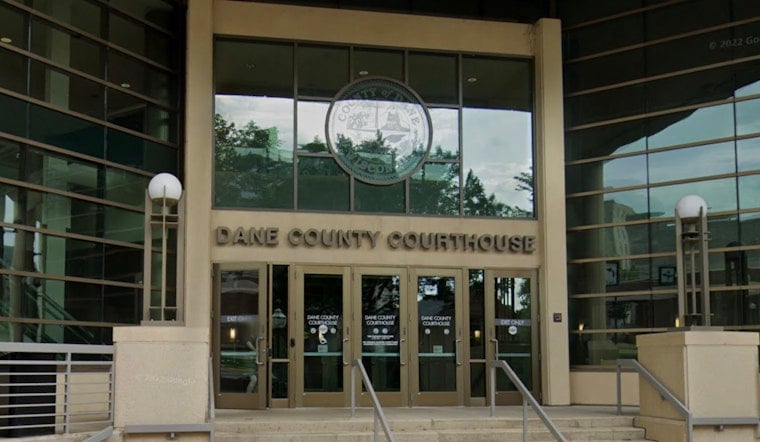
A Dane County judge has ordered Wisconsin’s Department of Justice to hand over the names of every sworn law enforcement officer in the state, a move that could expose the identities of roughly 16,000 officers and settle a years-long public records battle between state officials and journalism advocates.
The judge’s order and what it covers
Dane County Circuit Court Judge Rhonda Lanford ruled that the DOJ must release names, ages, badge numbers and employment histories that the agency had previously kept under wraps, as reported by the Milwaukee Journal Sentinel. The ruling stems from a challenge to the DOJ’s denial of a broad public records request and applies statewide to the department’s certification and employment files. According to the Journal Sentinel, the decision follows a lawsuit from investigative groups that sought a complete roster of certified officers.
Who brought the case
The lawsuit was filed by the Chicago-based Invisible Institute and Wisconsin’s The Badger Project, which argued that the records are essential to track officers who move from agency to agency with little public scrutiny. The plaintiffs asked the court to compel the DOJ to provide a full list of certified officers along with their work histories, saying existing lists of "flagged" officers are incomplete and leave too many blind spots.
DOJ’s stated reasons for withholding records
The Wisconsin DOJ repeatedly rejected the sweeping records requests, arguing that releasing the full roster could put undercover officers at risk, expose confidential investigative techniques and create an excessive administrative burden. Those arguments are laid out in the department’s response letter. The agency also pointed out that Wisconsin has roughly 571 law enforcement agencies and about 16,000 officers, and said that isolating undercover personnel for redaction would be difficult, according to the Wisconsin DOJ response.
Why advocates say the records matter
Open government advocates say a complete roster could help expose so-called "wandering officers" who are fired or pressured out of one department, only to quietly sign on with another. Reporting by Wisconsin Watch and The Badger Project has shown how limited lists of flagged officers leave reporters and investigators unable to track troubling employment histories as officers cross jurisdictional lines.
Legal implications
The ruling shines a spotlight on Wisconsin’s public records balancing test, Wis. Stat. § 19.35(1)(a), which requires judges to weigh concerns like officer safety and investigative secrecy against the public’s right to know who is policing their communities. In its response, the DOJ cited state and federal case law that it said justified narrowing disclosure, and Lanford’s order is poised to influence how courts apply those standards to large-scale law enforcement rosters in the future. The department’s reasoning is laid out in its response letter.
Transparency advocates have hailed the decision as a win for accountability, while law enforcement interests have argued for stronger protections against doxxing and threats. The next big question is how quickly the DOJ will turn over the records and how much information will be blacked out, issues that are likely to play out in further filings in Dane County as both sides keep pressing their cases.





