

























































Durham is eyeing a two-year timeout for data centers and cryptocurrency mining, setting up a high-stakes local fight over power, water and what kind of growth the city actually wants.
The proposed 24-month moratorium would hit pause on new facilities and expansions while city officials dig into the environmental and infrastructure fallout. Councilman Nate Baker introduced the plan at a recent City Council meeting, and a public hearing is set for Monday, May 4. Neighbors lining up against the projects say they are worried about heavy energy and water use and argue these massive server farms do not deliver enough local benefit compared with housing and other top city needs.
What the Ordinance Would Do
The draft ordinance would block approvals for new data centers and crypto-mining operations within city limits for two years. That breathing room is meant to let staff write zoning standards, run impact studies and sketch out conditions for any future projects.
Baker framed the proposal as a deliberate reset, describing it as a way to "take a cool, calm, collected approach," according to The News & Observer. The council could decide whether to adopt the moratorium at its May meeting, turning what is now a policy debate into an immediate yes-or-no vote.
Regional Pause Spreads Across the Triangle
Durham is not inventing this fight from scratch. Around the Triangle, local governments have been slamming the brakes on data center growth, at least temporarily.
Orange County recently approved a one-year moratorium, and Apex and Chatham County have passed similar short-term bans in recent weeks, according to WUNC. Officials in those communities say the pauses are meant to give them time to decide where such facilities belong and what protections are needed for water supplies, electrical infrastructure and nearby neighborhoods.
The wave of moratoriums reflects growing public pushback to large-scale server farms, even as companies promote them as engines of jobs and investment. Put simply, residents are asking whether the tradeoff is really worth it.
Energy and Water Worries
Part of the tension comes down to scale. Experts say hyperscale data centers can burn through enormous amounts of electricity and require vast quantities of cooling water, sometimes rivaling the needs of entire towns.
WRAL reported that a 300-megawatt data center can use roughly as much electricity as 200,000 North Carolina homes. Some proposed facilities could also need up to 1 million gallons of reclaimed water per day during peak summer heat.
Those numbers have become rallying points for residents, who testified that a surge of energy-hungry complexes could strain the regional power grid and pressure drinking-water supplies. The question hanging over Durham is whether the city wants that kind of industrial-scale load sitting on its system.
Legal Limits and the State Law Question
Even if Durham passes a moratorium, it will not be a permanent shield. Axios Raleigh reported that state lawmakers quietly inserted language into a 2024 Hurricane Helene relief bill that critics say restricts how far cities and towns can go in downzoning properties to block data centers outright.
With that statute in the background, Durham is likely to concentrate on interim rules and safeguards rather than aiming for a long-term ban. Any ordinance could still be challenged by developers or the state, and municipal attorneys and planners will have to weigh potential takings claims and state preemption risks as they craft precise language.
Next Steps
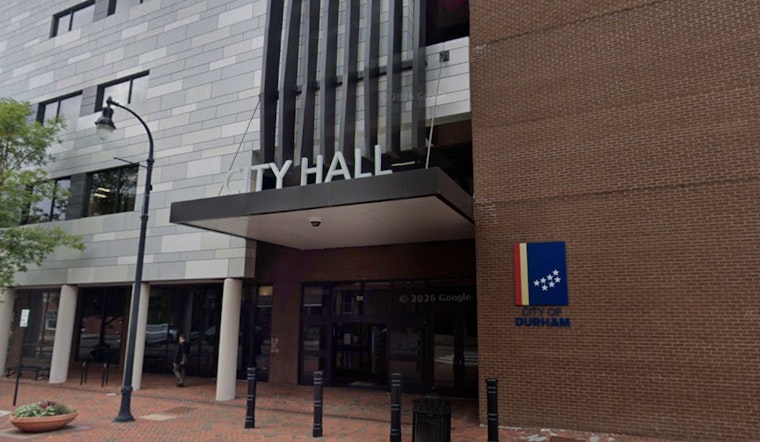
The City Council will hold a public hearing on Monday, May 4, in Council Chambers at Durham City Hall and could vote on the moratorium that same night, according to The News & Observer.
The city's meeting information lists Council Chambers, located at 101 City Hall Plaza, as the in-person venue for council sessions and outlines how residents can watch or submit public comment. If the council approves the pause, city staff would have two years to design rules intended to protect water resources, preserve grid capacity and keep housing and other core priorities at the center of Durham's growth strategy.





