

























































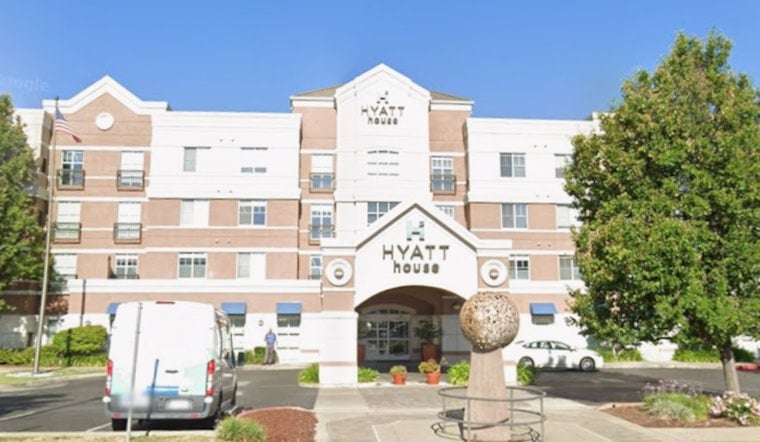
Two lender-owned Hyatt House hotels in the East Bay just sold for prices that look more like typos than closing numbers. The 128-room Hyatt House in Pleasanton reportedly went for about $800,000, while the 142-room Hyatt House in Pleasant Hill fetched roughly $3.5 million. That works out to only a few thousand dollars per key, a stunning slide from what similar properties commanded just a few years ago and a worrying sign for local governments that depend on robust property tax rolls.
What sold and how much
According to The Mercury News, the Pleasanton Hyatt House cleared at about $800,000, or roughly $6,250 per room. Up the freeway, the Pleasant Hill Hyatt House sold for about $3.5 million, or about $26,600 per room. Both hotels were in lender hands and moved through foreclosure or trustee-sale channels after prior owners defaulted on their loans, the outlet reported. The cut-rate pricing highlights just how much the Bay Area lodging market has softened since the pandemic.
How the auctions played out
Marketing and bidding for both properties wrapped up online in late March, with commercial auction platforms handling the process. Listings on Crexi show lender-owned offerings with low opening bids and detailed due diligence materials pitched at investors looking to take over or overhaul the hotels. The listings note that the properties were offered unencumbered by management or existing debt, a standard lender move to clear the runway for a quick, clean sale.
Industry reaction
In hotel circles, those closing numbers landed with a thud. Alan Reay, president of Atlas Hospitality Group, told The Mercury News that these prices are shocking, warning that such low sale comps could ripple into lower property tax assessments for cities, counties and school districts. His firm has tracked a sharp drop in per-room sale prices across California, a slide that complicates appraisals and financing for buyers trying to pencil out new deals.
This fits a wider Bay Area trend
The Hyatt fire sale slots into a broader pattern of distress across the region, with lender takebacks in Oakland and discounted trades in the South Bay already on the books. One recent benchmark: the 2024 sale of San Jose’s Hotel De Anza for about $11.5 million, or roughly $115,000 per room, a deal that industry observers say has helped pull valuations down, according to The Real Deal. Trade publications that follow the lodging sector have likewise logged a slowdown in new hotel construction and falling per-room transaction prices across Northern California, which helps explain why these latest auctions did not inspire frenzied bidding.
What comes next
From here, lenders holding the deeds can sit on the assets, relaunch marketing efforts, or hunt for buyers willing to reposition or reflag the hotels. On the public side, city halls and school districts will be watching reassessments closely, since weak sales comps can easily translate into thinner property tax receipts. For now, the Pleasanton and Pleasant Hill deals stand as a blunt reminder that the Bay Area’s hospitality recovery is still uneven and that bargain hunters are circling, ready to roll the dice on distressed properties when the price is low enough.





