

























































Portland Community Reinvestment Initiatives has officially broken ground on the Halsey Street Homes, a compact cluster of for-sale houses in Northeast Portland that aims to move income-qualified first-time buyers out of rental instability and into ownership. The nonprofit is positioning the project as part of a broader push to restore Black homeownership and rebuild generational wealth in neighborhoods that have seen years of displacement, a locally driven attempt to keep long-time families rooted where they already live.
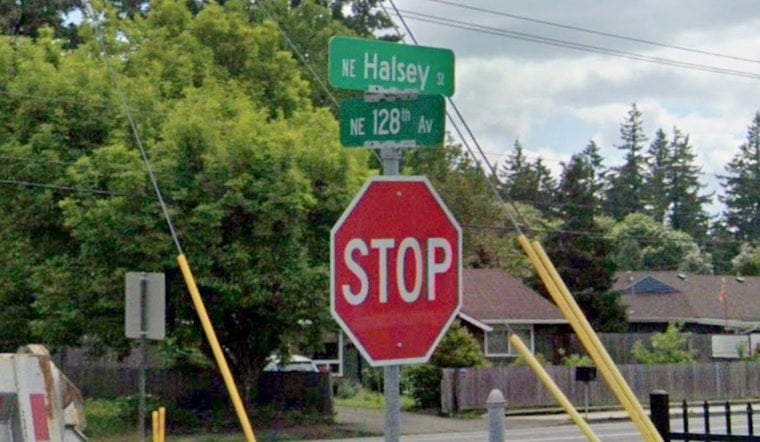
As reported by KATU, the Halsey Street Homes sit at NE 128th Avenue and NE Halsey Street and make up one of four scattered sites in this phase of PCRI’s work. KATU notes that the focus is squarely on homeownership for income-qualified, first-time buyers, and that PCRI expects construction on the Halsey site to wrap in about a year and a half. The station also highlighted comments from PCRI leaders at the groundbreaking and placed the project within the nonprofit’s larger portfolio of housing efforts.
What PCRI Is Building
PCRI’s planning outlines a Pathway 1000 goal to deliver 1,000 new homes, with roughly 800 reserved for first-time buyers in a mix of for-sale and rental units. As detailed in PCRI, the current phase uses a cottage-cluster approach. The Halsey parcel at 12748 NE Halsey Street, listed at 0.17 acres, is planned for three 3-bedroom, 2-bath homes grouped in a small cluster. Project documents emphasize compact, energy-efficient designs and a permitting strategy meant to push these scattered-site homeownership projects through the pipeline quickly.
Why It Matters
PCRI describes Pathway 1000 as an effort “to mitigate and prevent involuntary displacement in North and inner Northeast Portland,” language that appears on the organization’s PCRI homeownership page. Academic research and regional studies of Albina and other North and Northeast neighborhoods have documented significant Black population losses over the past several decades, with one peer-reviewed analysis estimating that thousands of African American Portlanders were pushed to the metro area’s edges during waves of redevelopment and new investment. That mix of community priorities and scholarly findings underpins PCRI’s argument for building for-sale homes in the area.
Voices From the Ground
At the groundbreaking, PCRI Executive Director Kymberly Horner called Halsey Street Homes “one of our first developments for homeownership coming out of COVID-19,” adding that the project helps people “put down roots,” according to KATU. PCRI Board Chair Melvin Broadous framed the plan as “not just another project,” describing it as “a promise and commitment to our community that we intend to keep,” the outlet reported. Organizers on site stressed that outreach and education will be key to connecting income-qualified buyers with the new homes.
Timeline and How Buyers Can Apply
PCRI estimates that construction on the Halsey site will take roughly 18 months, with pre-sale marketing and eligibility screening scheduled to follow permitting and contractor selection. The nonprofit already runs homebuyer workshops and counseling, which organizers say will prepare and funnel qualified first-time buyers into these scattered-site homes. During the ceremony, PCRI encouraged neighbors to keep an eye on its announcements for application windows and specific eligibility details.
Portland's Bigger Housing Picture
The Halsey Street Homes arrive as city and regional agencies try to balance preservation with new construction in order to blunt displacement and keep housing affordable. The Portland Housing Bureau and other local programs have targeted funding and preservation tools at at-risk buildings, signaling that nonprofit projects like PCRI’s will still need both public and private backing to grow. Those efforts reflect a broader strategy to pair small, place-based developments with policy tools that help long-time residents stay in the neighborhoods where they grew up, work, and raise families, even as the scale of past displacement and the short supply of affordable for-sale homes show how far Portland still has to go.
For neighbors, the Halsey Street Homes serve as an early test of whether community-driven development can translate into lasting ownership in places where it has eroded. The success of Pathway 1000 will be measured not only by how many roofs go up but by who ends up holding the keys, and whether those keys help restore generational wealth in North and Northeast Portland.


