

























































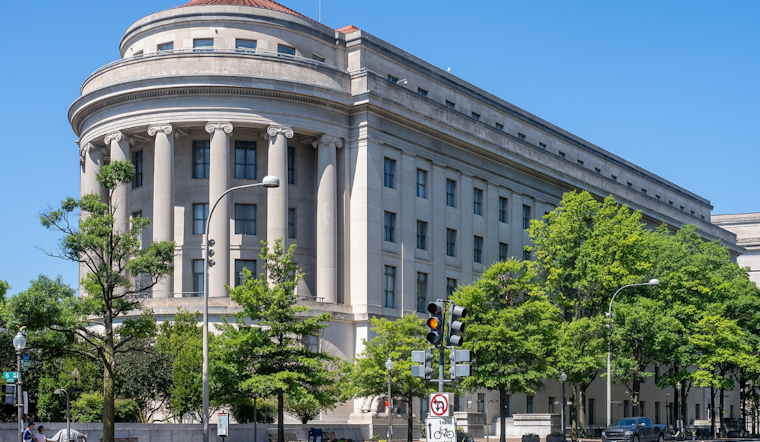
A federal judge in Maryland on Tuesday cleared the way for the Federal Trade Commission to push ahead with a lawsuit against a Pikesville-based ticket broker accused of snapping up massive blocks of Ticketmaster seats, then flipping them at hefty markups. The ruling keeps a high-profile consumer protection fight alive in federal court and zeroes in on claims that the operators used fake accounts, spoofed IP addresses and other workarounds to dodge Ticketmaster’s purchase caps. Local lawmakers and consumer advocates say the order could stiffen the spine of enforcement against scalpers cashing in on high-demand shows.
Judge Says BOTS Act Reaches People, Not Just Software
U.S. District Judge George L. Russell III found that the Better Online Ticket Sales Act “unambiguously applies to ‘any person’ and not just to ‘bots,’” a reading that allows the FTC’s case to survive an early challenge, according to The Daily Record. The judge rejected the reseller’s claim that the law only covers automated software, not human-run schemes that rely on large numbers of accounts. Russell also declined to toss a related preemptive lawsuit filed by the reseller, leaving two cases moving along at the same time.
What the FTC Alleges in Court Filings
In a complaint filed in federal court, the Federal Trade Commission says Key Investment Group and affiliated companies bought at least 379,776 tickets from Ticketmaster between Nov. 1, 2022 and Dec. 30, 2023, spending about $57 million and reselling portions of that haul for roughly $64 million. The agency alleges the operation created or obtained more than 13,000 Ticketmaster accounts, used virtual credit cards, proxy IP addresses and so-called “SIM banks,” and even recruited third parties in Baltimore to open accounts for pay. The FTC is asking for injunctive relief and civil penalties under both the BOTS Act and the FTC Act.
Defendants’ Pushback and Lawmakers’ Reaction
The defendants have told the court they did not use automated bots and insist the BOTS Act was written to rein in software, not humans running multi-account buying strategies. They argue the FTC’s reading puts the entire secondary ticket market model at risk, according to reporting by CBS Baltimore. Maryland Sen. Dawn Gile, who sponsored state anti-gouging legislation in 2025, told CBS she welcomed the ruling and hopes it scares off scalpers who are “making a lot of money off of fans and artists.” Both sides now head into discovery and additional briefing as the court sorts through the legal theories and the underlying facts.
Why the Ruling Matters for Fans and the Industry
Legal observers say the decision could stretch BOTS Act enforcement beyond strictly automated cases and put brokers that rely heavily on multi-account tactics squarely on the FTC’s radar as the record develops. The case lands amid national scrutiny of ticketing practices, including separate FTC and Justice Department actions and congressional pressure that ramped up after high-profile on-sale failures. All of that has tightened the vise on primary and secondary marketplaces, according to national coverage by AP. How courts ultimately read the statute could reset the boundary between lawful reselling and illegal scalping.
Next Steps in the Pikesville Litigation
For now, the FTC’s complaint will move forward in federal court alongside the reseller’s separate preemptive case, setting up months of motions, document production and depositions that could end in a settlement or a full-blown trial. Fans around Baltimore are unlikely to see instant changes in how fast tickets vanish or how high resale prices climb, but the outcome could shape future crackdowns and new state laws aimed at curbing runaway ticket gouging.





.jpg)