

























































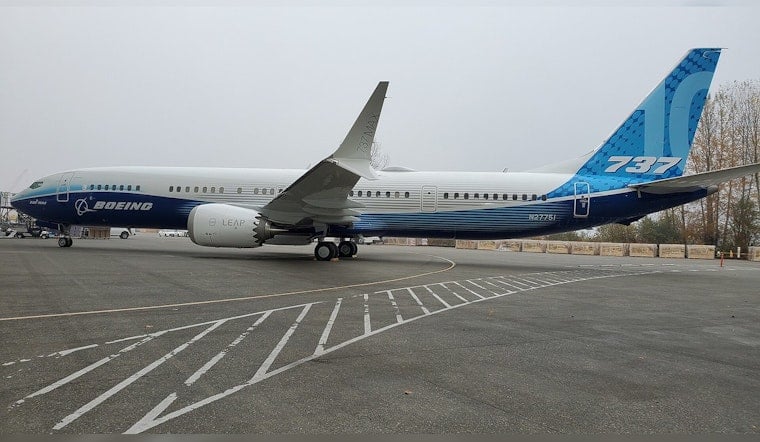
A federal watchdog is calling out the Federal Aviation Administration for not moving fast enough on a quirky-sounding but very real problem: a safety device on Boeing 737 MAX engines that, in rare cases, has sent oil mist and smoke into cockpits and cabins. According to a new audit, the load reduction device built into CFM International LEAP-1B engines can, after a bird strike, push more than a quart of engine oil into the airplane’s environmental system, potentially fogging up instruments and making it hard for crews to breathe. The watchdog says regulators need to keep a tight handle on the fix timeline and make sure pilots and simulators are ready.
What the watchdog found
The Department of Transportation Office of Inspector General released an audit on April 21, 2026 that found the FAA largely followed its own policies but left gaps in how it evaluated and reduced the risk from activation of the load reduction device. According to a report by the U.S. Department of Transportation Office of Inspector General, the agency’s Corrective Action Review Board did not fully resolve several safety concerns raised by accident investigators. The OIG recommended that the FAA closely track the schedule for a permanent software update and ensure pilots are notified and trained.
How it happened
The concern traces back to two bird strikes in 2023, one in March near Havana and another in December after departure from New Orleans, that triggered the load reduction device and allowed oil mist or “smoke” into the cabin or cockpit. The National Transportation Safety Board issued an urgent safety recommendation in June 2025 after investigating, noting that the cockpit on the New Orleans flight filled with fumes and that the captain “could see nothing beyond the first officer,” according to the National Transportation Safety Board.
Fix timeline and fleet impact
Boeing and CFM International are working on a software modification designed to detect when the load reduction device activates and automatically close a pressure-regulating shut-off valve. The OIG says engine-level approval is expected in the second quarter of 2026 and airplane-level approval in the third quarter, with installation across the fleet targeted for completion by mid-2028. The same OIG report notes that, as of May 2025, FAA data showed U.S. carriers operating roughly 612 Boeing 737 MAX 8/9 aircraft with LEAP-1B engines and about 197 Airbus A320/A321neo jets with related LEAP engines, highlighting how many planes the fix must eventually cover. The OIG report warned that any delays in certification or rulemaking could leave the risk in place for years.
What regulators and airlines say
The FAA told the OIG it agrees with the recommendations and has set milestones to complete its actions. Airlines and pilots’ groups have been divided over how aggressive interim measures should be, according to local reporting. As reported by The Seattle Times, the agency said it will work with Boeing, CFM and international partners while CFM and Boeing complete certification work and operators update training and manuals.
What passengers should watch
Passengers are unlikely to see immediate groundings or mass cancellations tied to this issue, but the OIG cautions that the fix will not reach every jet overnight and says airlines should strengthen pilot briefings and simulator scenarios in the meantime. Regulators plan to publish a proposed Airworthiness Directive for public comment once the service information is available, and the watchdog says it will be important to see whether the FAA follows through on the OIG’s monitoring and training recommendations.





_-_003.jpg)