

























































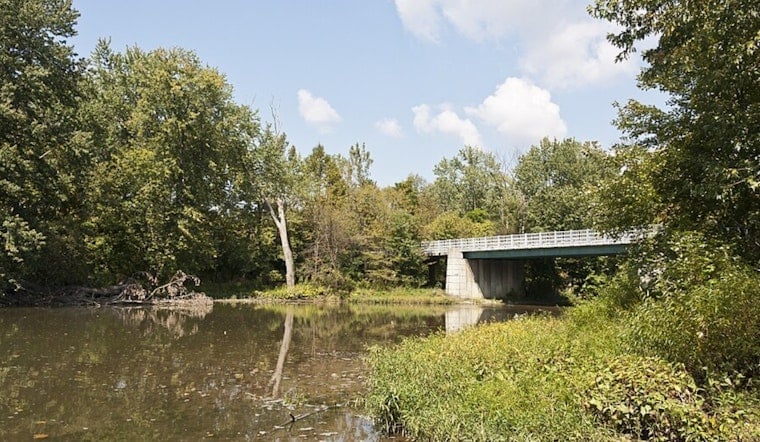
Big and Little Darby creeks in Franklin County just got a major federal upgrade. U.S. wildlife officials have folded both streams into the nation’s critical habitat network for two endangered freshwater mussels, adding central Ohio to a sweeping protection plan that covers roughly 3,800 river miles across 17 states.
The U.S. Fish & Wildlife Service finalized the designation on Monday as part of a larger rule that names the rayed bean and snuffbox mussels and establishes critical habitat for four mussel species across about 3,814 river miles in 17 states, according to the U.S. Fish & Wildlife Service. The agency notes that the rule does not change land ownership or create public access, but it does trigger federal review for any activity that involves permitting, licensing or federal funding.
Where the New Protections Kick In
The final rule extends snuffbox critical habitat on Little Darby Creek downstream to its confluence with Big Darby Creek in Franklin County, and it expands the Big Darby unit farther downstream toward the Scioto River. That adds dozens of river miles to local protections, according to the Federal Register. The regulatory text includes maps and unit descriptions that federal agencies and developers will now have to consult.
How Permits and Projects Could Change
Any project that needs a federal permit or license, or that receives federal funding, will be evaluated for potential impacts to the newly designated critical habitat under the Endangered Species Act, the Service explains. That review, known as a Section 7 consultation, does not ban activity on private land but can require changes, mitigation or monitoring to avoid "adverse modification" of the habitat, according to the Fish & Wildlife Service.
Local Reaction and Legal Backstory
Conservation groups greeted the move as overdue and pointed to litigation as a key driver. The Center for Biological Diversity, which sued the Service in 2018 seeking habitat protections, called the rule a victory and urged more cleanup and restoration work. "I'm thrilled that these mussels and the rivers they need to survive are getting protection," said Noah Greenwald in a Center for Biological Diversity press release.
Local advocates and watershed organizations also pushed for expanded units during the public comment period, according to comments filed with the agency on regulations.gov.
What the Science Says About Darby’s Declines
A 2025 mussel assessment from the Ohio Department of Natural Resources found no evidence of living or freshly dead mussels in multiple sampled reaches of Hellbranch Run, a Darby tributary, an outcome that researchers said points to localized declines and habitat stress, according to the Ohio Department of Natural Resources.
A separate 2025 study of the Big Darby Basin by the U.S. Geological Survey documented water-quality and hydrology pressures, from pesticides and wastewater compounds to altered flow regimes, that can make streams inhospitable to sensitive mussels.
Timeline, Next Steps and Local Stakes
The final rule was published in the Federal Register on April 27 and is scheduled to take effect May 27. On that date, federal agencies must begin factoring the new critical-habitat units into Endangered Species Act consultations, per the Federal Register notice. Locally, that will affect any project in the mapped reaches that requires federal approval or federal dollars, and the Service and its partners say the designation is intended to steer conservation and restoration work where it can do the most good.
For Franklin County, the move adds a federal layer of oversight to creeks long prized for their biodiversity and could open the door to additional monitoring and restoration funding, advocates say. More local context and maps are available from the Columbus Dispatch and in the Service's rulemaking docket on regulations.gov.



