

























































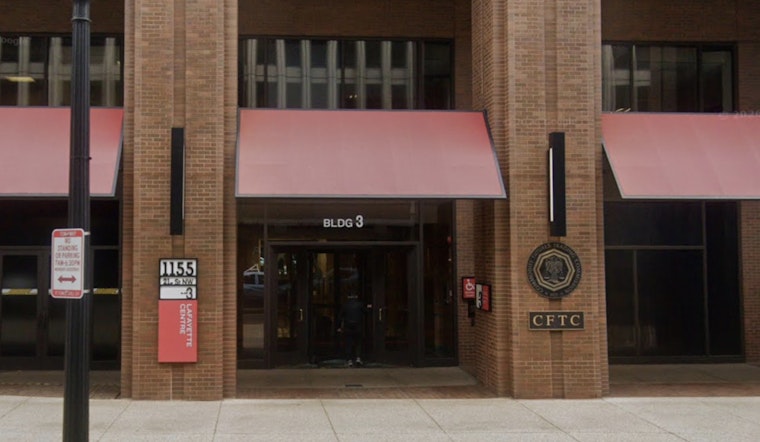
Federal regulators cranked up the heat on Tuesday when the Commodity Futures Trading Commission sued the state of Wisconsin, asking a federal court to stop the Badger State from shutting down so‑called "event contracts." The clash comes on the heels of a state filing last week in Dane County that targets Kalshi, Polymarket, Coinbase, Robinhood and Crypto.com, setting up a high‑stakes test of whether these fast‑growing markets fall under federal derivatives law or state gambling rules.
The Wisconsin Department of Justice said on April 23 that it had filed three complaints in Dane County seeking preliminary and permanent injunctions, plus a declaration that sports‑related event contracts violate Wis. Stat. § 945.03(1m), according to the Wisconsin Department of Justice. "Thinly disguising unlawful conduct doesn't make it lawful," Attorney General Josh Kaul said in the release.
Feds Ask Judge To Sideline State Cases
In a complaint filed on April 28 in U.S. District Court for the Eastern District of Wisconsin, the CFTC, joined by the U.S. Department of Justice, asked a federal judge to declare Wisconsin’s enforcement efforts preempted and to bar state officials from shutting down event‑contract trading, Bloomberg Law reported. The federal suit names Gov. Tony Evers, Attorney General Joshua Kaul and the state’s gaming administrator as defendants and urges the court to preserve a single, uniform federal regime for swaps.
The CFTC’s complaint argues that "Wisconsin’s attempt to criminalize and shut down federally regulated markets intrudes on the exclusive federal scheme Congress designed to oversee national swaps markets," the agency wrote, according to reporting by The Block. The suit asks the court to stop state officials from enforcing Wisconsin laws against companies that list event contracts on CFTC‑regulated exchanges.
Wisconsin Says It Looks Like Sports Betting
Wisconsin’s state complaints paint sports‑linked event contracts as no different from a traditional sports bet. They point to markets that let users buy contracts on NCAA matchups, point spreads and first‑score outcomes, noting that the platforms collect a fee on every trade. The Dane County filings say that setup generates revenue from Wisconsinites in the same way a sportsbook’s rake does and even cite a Financial Times estimate that sports markets make up a large share of Kalshi’s trading fees, according to the Wisconsin Department of Justice.
The clash is part of a wider, fast‑moving legal brawl between states and the CFTC. The agency has already filed suits or briefs in recent weeks against New York, Illinois, Arizona and Connecticut as those states move to rein in prediction markets, Reuters reported. Locally, a 37-state blitz documented a multistate push backing state regulation.
What Is Really On The Line
The core legal question is simple on paper and enormous in practice: if courts treat event contracts as swaps under the Commodity Exchange Act, the CFTC’s exclusive jurisdiction would likely override state gambling bans. If courts side with the states, platforms could face a patchwork of licensing and consumer‑protection rules or be forced to block residents in certain states. Legal analysts told Bloomberg Law that the eventual outcome could send the fight to appellate courts and possibly the U.S. Supreme Court.
The dispute lands just as Wisconsin changes its own rules of the game. Gov. Tony Evers signed a bill this month to legalize sports betting statewide but required that the servers hosting wagers be located on tribal lands, a condition that has sharpened state officials’ worries about unlicensed online bets, Wisconsin Public Radio reported. That political backdrop helps explain the fast timing of Attorney General Kaul’s state‑court filings.
Expect a sprint, not a marathon. Wisconsin’s state complaints give the defendants a short window to respond, and the CFTC’s federal action in the Eastern District of Wisconsin opens a parallel track that could make any state injunctions look premature. Watch for motions to dismiss, requests for preliminary injunctions and quick appeals that will test whether one federal regulator or 50 state gaming regimes get to set the rules for prediction markets.





