

























































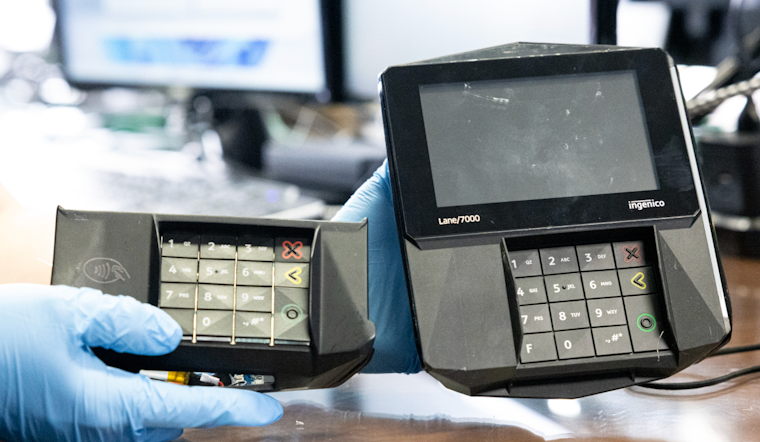
Secret Service agents working with Pittsburgh and Allegheny County police say a two-day sweep across the region yanked nine illegal card-skimming devices out of service and headed off an estimated $9.4 million in potential consumer losses.
The operation, carried out on Monday and Tuesday, stretched across dozens of stores, gas pumps, and ATMs in and around the city. According to a Secret Service release, officers and agents hit 272 locations and took a close look at 883 point-of-sale terminals, 775 gasoline pumps, and 170 ATM card readers. In the end, they say, nine skimmers were found and removed, a haul that officials estimate “prevented an estimated $9.4 million in consumer losses,” as reported by WTAE.
The two-day sweep pulled in a crowd of agencies. Alongside the U.S. Secret Service, the effort included Allegheny County and the Pittsburgh Bureau of Police, with backup from the Pennsylvania Office of the Attorney General, the Office of State Inspector General, and the U.S. Postal Inspection Service. For a crime that can start with a tiny plastic overlay at the gas pump, it was a sizable show of force.
Part of a wider anti-skimmer push
Pittsburgh’s sweep is one piece of a broader national push in which the Secret Service has been conducting outreach operations that inspect tens of thousands of card terminals and, according to federal releases, have helped blunt large potential fraud losses.
Locally, authorities had already rolled out a community program this spring to get ahead of the problem. The initiative focuses on proactively checking machines and training merchants to spot tampered hardware, an effort described in reporting by Payments Dive.
How to protect your card at the pump and checkout
Federal agents are pushing basic, low-tech habits to keep high-tech thieves at bay. Before you swipe, tap or insert, give the card reader a quick once-over. If anything looks loose, crooked, or damaged, walk away. When possible, choose tap-to-pay or chip transactions, which are harder to skim than old-school magnetic swipes.
At gas stations, they recommend running a debit card as credit so you can avoid entering a PIN. If you do have to enter a PIN, cover the keypad with your hand in case a tiny camera is lurking nearby. When you need cash, pick ATMs inside well-lit buildings instead of isolated outdoor machines.
Agents also spent part of the sweep handing out educational materials to merchants, explaining what a suspicious terminal looks like and how often to inspect it, WTAE reports. Officials say that teaching clerks and business owners what to look for is just as important as pulling out the devices already in play.
No immediate arrests were announced, and the investigation is ongoing. In the meantime, anyone who spots a possible skimmer or notices odd charges on a card statement is urged to call local police and contact their bank so accounts can be monitored and cards reissued if necessary.




