

























































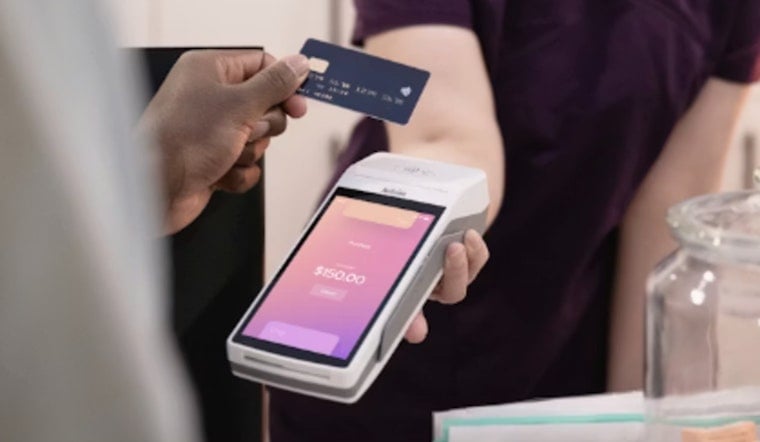
San Antonio consumer advocates are sounding the alarm that the speed and ease of tap-to-pay can quietly drain your wallet, especially in packed crowds. The scam, dubbed “ghost tapping,” involves a crook hiding a card reader and triggering contactless payments from just inches away, often so subtly that victims do not realize anything happened until they comb through their statements days later.
Jason Meza with the Better Business Bureau recently pulled out a pocket-sized card reader to show how simple the trick can be. He explained that an operator can scan a card or phone just by getting close in a tight space like a line or a crowd, a tactic that thrives when everyone is shoulder to shoulder. As reported by News 4 San Antonio, the device can ride in a pocket and still work within inches of a customer’s card or phone.
How Ghost Tapping Works
Security researchers say ghost tapping bridges online theft with in-person spending. Criminals can take stolen card credentials and load them onto burner phones or use relay tools that let them make contactless purchases through mules. Recorded Future’s Insikt Group found underground markets openly selling burner phones and relay software designed to turn stolen payment tokens into real-world purchases, sometimes even in other countries, according to Recorded Future.
Where Scammers Get Close
Experts warn that crowded civic events are tailor-made for this kind of scheme, giving scammers cover to brush past potential victims without raising eyebrows. Reporters in San Antonio have pointed to huge gatherings like Fiesta and jam-packed Spurs games as exactly the kind of scene thieves look for, as KSAT has reported.
Small Charges, Big Trouble
Investigators say perpetrators often start with tiny “test” charges that blend into a statement and glide past fraud filters. If those go through, they either ramp up the spending or sell the compromised data. Cybersecurity strategist Paul Keener told WFSB that attackers lean on microtransactions specifically to dodge detection, and the station notes that related fraud complaints have been climbing in recent months; see WFSB.
Protect Your Wallet
To cut the odds of getting hit, experts suggest using mobile wallet payments that require Face ID or a fingerprint, stashing cards in RFID-blocking sleeves, and turning on instant transaction alerts. The Better Business Bureau’s consumer alert highlights those steps and urges victims to contact their bank first, then file reports with the BBB, local police and the FBI, as outlined by the Better Business Bureau.
If you notice unfamiliar small charges after spending time in a crowd, call your card issuer right away and document anything that seemed off. Fast reporting improves the odds of getting your money back and helps investigators chart where ghost tapping is popping up.





