

























































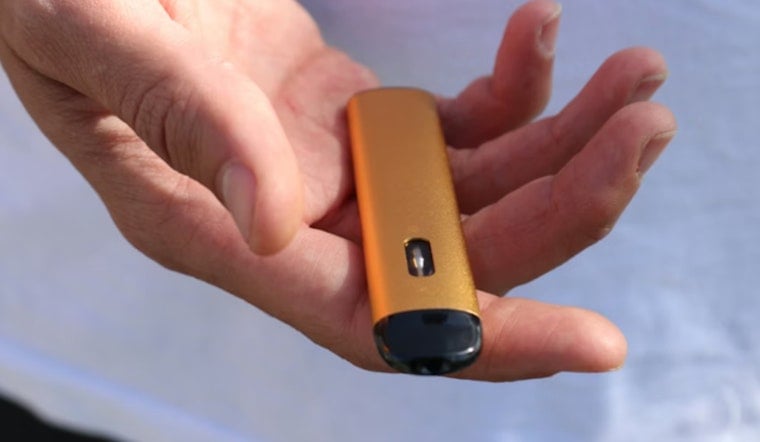
More than 70 public-school campuses across Hawaiʻi, including Kamehameha, Mililani and Radford High, have started mounting ceiling sensors in bathrooms and other private spaces to catch students vaping, according to district officials and local installers. Administrators say the devices act like a rapid alert system, pinging staff within seconds when vape-related chemicals are detected so they can move in quickly.
State data cited by KHON2 show that roughly 13 percent of Hawaiʻi high school students currently report vaping, a slight dip from about 14.8 percent two years earlier. Middle-school vaping, however, climbed from about 6.7 percent to roughly 10.3 percent over the same period. A student with the Coalition for a Tobacco Free Hawaii Youth Council told the station that vaping is commonplace in school bathrooms and “a lot more prominent in the younger grades.”
How Schools Are Using the HALO Sensors
Installers such as Blue Shield Security report fitting HALO smart sensors at dozens of campuses across the islands. Local coverage relays one installer’s explanation of how the devices work: “Whenever those chemicals inside the vape get within 10 feet of this sensor, it picks that up… and it sends out an immediate notification.” Schools say each unit runs a couple thousand dollars. Installers also describe a predictable pattern after deployment, with a flood of alerts in the first weeks that eases as schools tighten supervision and students adjust their behavior.
What the Technology Can — and Can’t — Do
The HALO Smart Sensor, made by IPVideo (now part of Motorola Solutions), is marketed as a kind of multitool for school safety: it can detect vape and THC emissions, monitor indoor air quality, flag potential gunshots and abnormal noise levels, and listen for specific keywords in emergencies. The company says the device does not record continuous audio or video and is instead built to send instant alerts to staff when it picks up vape-related chemicals or other programmed triggers.
Privacy and Discipline Questions
Experts and national reporting caution that these sensors can slide into punitive surveillance if districts link alerts with camera footage or strict disciplinary rules. An Associated Press investigation and other coverage of U.S. districts using similar systems have documented cases in which students received harsh penalties after a sensor tripped and administrators pulled video or issued citations, sparking arguments over privacy and what an appropriate school response should look like.
Where Sensors Fit in Prevention Efforts
Health officials and advocates stress that sensors are only one piece of the puzzle. The Hawaiʻi Department of Health points to prevention, education and cessation resources for young people as the backbone of efforts to cut vaping among students, while community groups have run “808 No Vape” outreach and school-based education programs in recent years. National surveys paint a mixed picture: federal and national reporting have noted declines in youth vaping in recent national surveys even as local hot spots of use and youth access to unauthorized products remain a concern.
School leaders say the sensors have helped staff catch incidents faster. Public-health groups and parents, though, emphasize that long-term change depends on classroom education, real access to help quitting and stronger enforcement of sales rules. As Hawaiʻi districts weigh continued rollouts, the focus is shifting from whether to deploy the devices to how to pair them with clear policies that guard students’ privacy while actually getting kids support to stop vaping.




