

























































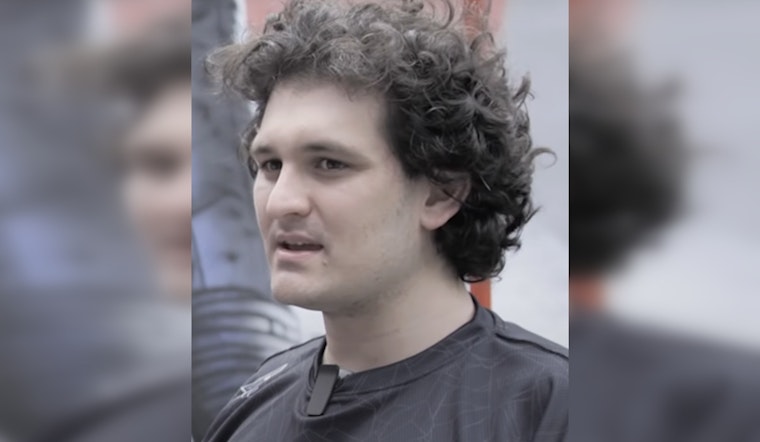
Sam Bankman‑Fried has abruptly pulled his request for a new federal trial, telling a New York judge he does not expect to get a fair shake right now, while quietly keeping the option alive to try again after his appeal. In a letter to the Southern District of New York, the former FTX CEO asked to withdraw his Rule 33 motion "without prejudice," legal shorthand that preserves his right to refile later. He said wrangling over who actually wrote the motion had chewed up time he needed to respond to prosecutors.
What He Told the Court
According to CoinDesk, Bankman‑Fried told Judge Lewis Kaplan that he was the "ultimate author" of the new‑trial motion, even though he got input from his parents and lawyers on drafts. The letter, filed this week, says he largely conceived and researched the arguments from behind bars, and that the judge's focus on who drafted what cut into the time he had to prepare his reply to the government.
The motion itself first hit the docket in February under the name of his mother, Barbara Fried, a procedural twist prosecutors seized on to question who was really behind it. Justice Department lawyers urged the court to reject the new‑trial bid, according to Cointelegraph. Bankman‑Fried is now asking that the withdrawal be entered "without prejudice" so he can revive the motion after his direct appeal and any request for a new judge are resolved.
Where the Appeal Stands
His direct appeal and a related petition to reassign the case are still pending at the U.S. Court of Appeals for the Second Circuit. There, his appellate lawyer has argued that the trial was "fundamentally unfair," according to Decrypt. Bankman‑Fried, serving a 25‑year federal sentence, will remain behind bars while the appeal and reassignment effort grind through the system.
Legal Implications
A Rule 33 motion is the legal vehicle defendants use to ask a federal judge to wipe out a conviction and order a new trial in the interest of justice or in light of new evidence. As explained by Cornell Law School, the rule gives trial judges limited discretion to hit the reset button, but only when there is a serious problem with the original proceedings or genuinely fresh, persuasive proof.
By pulling his motion "without prejudice," Bankman‑Fried is not surrendering that avenue so much as shelving it. He is keeping the procedural door cracked in case the Second Circuit, or a newly assigned trial judge, later sees the case differently. Even so, legal analysts note that convincing a court to grant a full do‑over is a heavy lift; in practice, a reversal on appeal or a reassignment that opens the door to new evidentiary findings would probably be needed before any retrial becomes realistic.
For now, his maneuver narrows the immediate fight to the appellate court and puts the spotlight squarely on the Second Circuit. The key question there is whether Judge Kaplan's handling of evidence and testimony crossed the line into reversible error. That drama is unlikely to resolve quickly, with months of briefing and procedural sparring still ahead.





.png)