

























































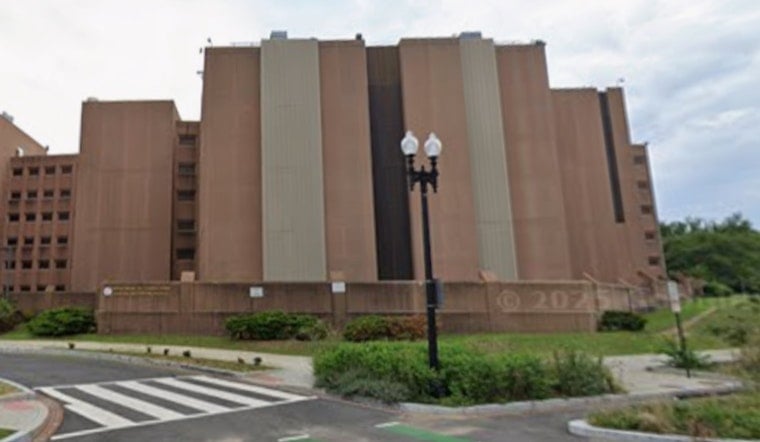
On a recent visit inside a program block at the D.C. Central Detention Facility, the scene looked less like a typical jail tier and more like a pop-up library. Men swapped paperbacks, read passages out loud and filled notebooks as a book club and writing workshop got underway, part of a Free Minds Book Club program that leans on literature and storytelling as an alternative to the “street” path that can land people back inside. Organizers and advocates say gatherings like this are one piece of a broader effort to beef up programming at the aging Southeast jail, which holds more than 2,000 people.
Participants did not sugarcoat why the meetings matter. "I feel like in D.C., it needs more resources for people who are coming home and integrating themselves back into the community," said Ethan Moye-Gordon, who told reporters he had been released three weeks before this booking, as reported by WJLA. During the visit, program leaders used books and guest speakers such as Wallace Peeples, better known online as Wallo267, to spark conversations about choices, writing and what reentry could look like on the outside.
Books, writing and a proven model
Free Minds Book Club & Writing Workshop runs recurring book club meetings and writing sessions inside the D.C. jail and juvenile facilities, pairing reading with reentry supports and peer-led advocacy. According to Free Minds Book Club & Writing Workshop, the organization serves more than 1,600 incarcerated and formerly incarcerated youth and adults each year and combines literary programming with workforce and healing services designed to cut down on returns to custody. Volunteers and returning-member apprentices help run Write Nights and publish participants' work, which Free Minds says helps strengthen connections to education and employment after release.
Officials point to accreditation and programming
The D.C. Department of Corrections has been highlighting recent accreditation work as part of a push to shore up operations and expand services. In October 2025 the department said it passed an American Correctional Association reaccreditation audit with 100 percent compliance on mandatory standards, a result DOC framed as part of broader improvements to safety, medical and behavioral health care and programming inside the complex. In a press release, the DC Department of Corrections said the audit reviewed hundreds of standards across the jail's operations.
Why it matters in D.C.
Advocates say programs like Free Minds carry extra weight in a city still wrestling with an overcrowded, aging facility and a cycle of returns to custody that often tracks back to thin reentry supports. Local policy groups and oversight reports point to roughly 2,000 people being held in DOC custody at any given time, and they have urged more investment in reentry efforts as a way to reduce recidivism and ease pressure on the jail. The city has tied some of that work to April's Second Chance Month, with the Mayor's Office and the READY Center promoting job, housing and legal help aimed at smoothing the transition home for returning residents, according to DC Justice Lab and the Mayor's Office.
Inside the classroom-style space, men said the sessions are already reshaping how they think about decisions. "I had a street mentality at the time ... Now I feel like, okay, there's more than A and B, there’s a C and D option," Khalid Clagget told reporters during the visit, in comments captured by WJLA. Program leaders and DOC officials say it will take time to measure long-term impact, but volunteers argue that steady reading, writing and mentorship are practical tools that can help returning residents find work and avoid reoffending.




