

























































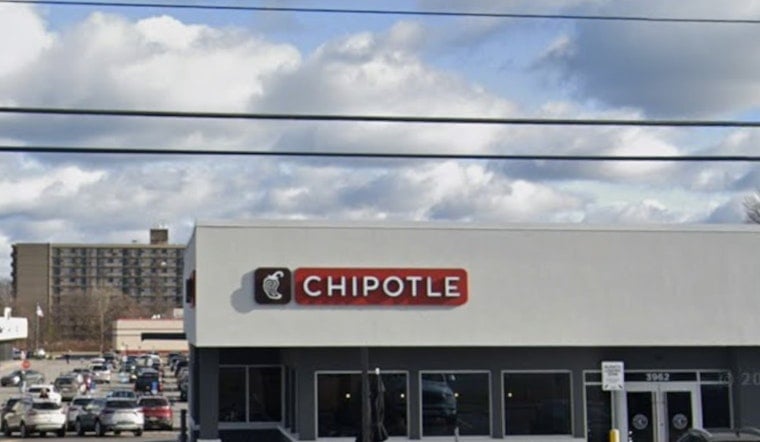
The only unionized Chipotle in the United States has quietly lost its union, leaving workers at the Lansing restaurant without a contract after more than three years of organizing and waiting. The Teamsters local that once represented the crew at the West Saginaw Highway location told federal regulators it was pulling out and disclaiming interest in the store, a move that lifts Chipotle’s legal duty to recognize or bargain with the union. Organizers and workers say a grind of bargaining sessions, delays and legal wrangling ended with no signed agreement and little to show in lasting wage gains.
Teamsters Pull Out as NLRB Records Formal Withdrawal
According to The Boston Globe, Teamsters Local 243 notified the National Labor Relations Board that it "officially withdraws and disclaims interest" in representing employees at the Lansing Chipotle. The NLRB’s public case file lists a "Letter Approving Withdrawal Request" from early January, confirming the agency signed off on the move. Together, those filings mean Chipotle is no longer legally required to deal with the union that won recognition in 2022.
How the Campaign Ran Aground
The Lansing restaurant became the chain’s first U.S. location to unionize when employees voted 11-to-3 in August 2022, according to The Washington Post. After that early high point, bargaining slowed to a crawl. The NLRB’s general counsel later alleged Chipotle unlawfully withheld raises from unionized staff and disciplined a pro-union worker. Local reporting by WKAR detailed employees’ claims that management blamed the union for a raise freeze and that the agency was preparing formal action.
Settlement, But No Admission
The NLRB docket for the Lansing case lists a "Conformed Settlement Agreement" filed on April 8, which closed at least some of the agency’s charges and laid out remedies for affected workers. Reporting and case documents indicate Chipotle agreed to compensate certain employees and to wipe discipline from one worker’s record, while still declining to admit wrongdoing. In a statement to The Boston Globe, Chipotle’s chief corporate affairs officer said the company "chose to voluntarily settle an outstanding charge," so both sides could move forward in what it described as a more constructive way. For the official case file, see the NLRB docket.
Why It Matters for Organizing
Labor analysts and organizers say Lansing’s experience shows how fragile a single-store victory can be without wider coordination and sustained pressure. In-depth reporting and interviews with CUT members describe how turnover, shifting schedules and drawn-out bargaining drained momentum and left workers with a union card but no contract. Organizers also frame the effort as a hard lesson rather than a dead end. Recent coverage in Jacobin follows those threads, tracking organizers’ reflections on what a stronger future campaign would require.
The result leaves the Lansing crew in a strange place: they pulled off a rare union election win, yet have no contract and no recognized representative to face the company at the table. Organizers say they plan to use what they learned in this fight to shape future drives at other Chipotle locations and in broader chainwide pushes.





