

























































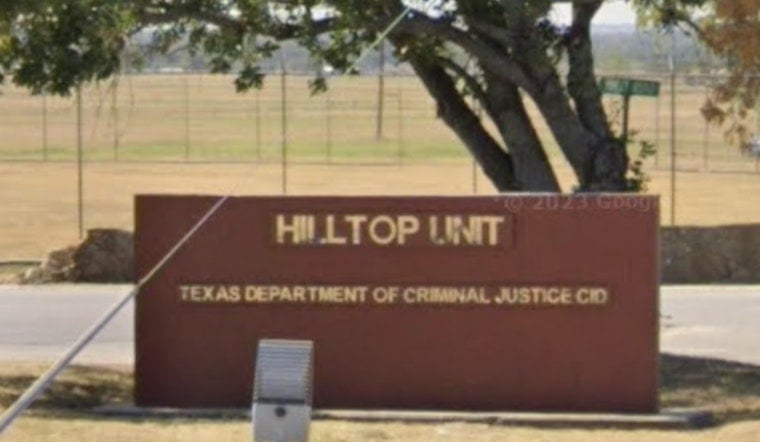
Phyllis Sentiva Ochoa, the West Side native whose profanity-laced hook "Where We Roll" has turned into an earworm across San Antonio, sat for an exclusive conversation this week from the Hilltop Unit in Gatesville. In the interview, she walked through how a quick, off-the-cuff hook she recorded about a decade ago blew up online, the choices that landed her in prison, and what she says she hopes to do once she is released. The sit-down reframes a viral meme as a second-chance story: a performer who says she wants to turn sudden attention into a chance to help others and rebuild family ties.
In an exclusive sit-down with KSAT, Ochoa, who records as PMuney or Sentiva, said she recorded the hook around 2015 while she was on the run and never expected it to outlive her. The reporter who traveled to the women-only Hilltop Unit describes Ochoa acknowledging a violent relationship, years of substance use and involvement in prostitution, and admitting she introduced other women into that life. Ochoa told the crew she agreed to the interview to amplify domestic violence and human trafficking resources and to show she is trying to change.
Viral Hook Turns Into Puro San Anto Soundtrack
The three-line chorus has moved from a decade-old YouTube clip to a broad social media shorthand for "Puro San Anto," showing up in TikToks, memes and local video clips. As reported by the San Antonio Current, a clip of the Spurs Coyote dancing to the hook helped re-ignite interest and pulled in hundreds of thousands of views. Some fans lean into the joke, while others are not thrilled about celebrating a song tied to a woman convicted of trafficking.
Legal Status And Parole
Ochoa was convicted in 2016 on charges that include aggravated robbery and human trafficking of a minor, and KSAT reports she was sentenced to roughly 16 years and is serving her time in women’s units. According to the station, TDCJ records show she has participated in prison programs, is enrolled in sex offender education and could be eligible for parole as early as June 2026. Those records reflect program participation and parole filings rather than any guaranteed release, and they frame how Ochoa describes getting ready for life after custody.
"I want to take accountability and responsibility," Ochoa said in the interview, naming her son as her main motivation for change. She described painting murals inside the unit, working toward a driver’s license and studying to find a job after release. Ochoa told the reporter she wants to return to San Antonio and "put an awareness out there" for women trapped in abusive situations.
That possible June 2026 parole window sits alongside public TDCJ listings that show a projected discharge date in 2031, a discrepancy noted by the San Antonio Current. The two timelines underline a common distinction in Texas records: projected discharge or maximum term on an offender page can differ from parole eligibility and the outcome of parole proceedings. For now, the KSAT interview remains the most detailed public account of how Ochoa describes her past and what she says she intends to do next.




