

























































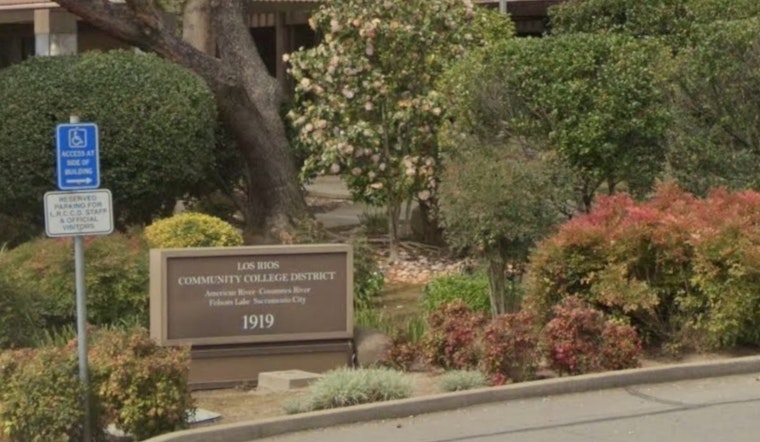
Los Rios Community College District is eyeing a massive campus overhaul, and it might let only part of its territory decide how to pay for it. On March 11, district trustees adopted a resolution signaling their intent to form a school facilities improvement district, or SFID, that would narrow which local voters get a say on future construction bonds. District staff estimate the repair and upgrade needs across American River, Cosumnes River, Folsom Lake and Sacramento City colleges, plus their satellite centers, at roughly $3.1 billion.
Board Takes First Step On Special Facilities District
Trustees approved Resolution No. 2026‑04, which lays out the formal steps for creating an SFID. Those steps include publishing a boundary map, holding a public hearing and then deciding whether to ask voters to authorize one or more general‑obligation bond measures. According to Los Rios Community College District board materials, any bonds approved within the SFID would be levied only on properties inside that area. The resolution lists possible projects such as modernizing technical and nursing programs, removing asbestos and lead, improving drinking water safety and fixing roofs.
Who Gets To Vote On The Money?
District staff recommended drawing the SFID to include only the portions of Los Rios that fall inside Sacramento and Yolo counties. That setup would capture all four main campuses inside the subdistrict while dropping some farther‑flung parcels from the voting pool. As reported by Abridged – PBS KVIE, a district spokesperson said the only major site left out would be Folsom Lake College’s El Dorado Center. The board has not yet decided how large a bond request to place on the ballot. A local bond brought under Proposition 39 would need 55% voter approval, according to the Legislative Analyst's Office.
Critics Blast Plan As Gerrymandering
The proposed boundaries immediately drew fire from faculty and community members, who argued the district is trying to fine‑tune who pays and who votes. Opponents said that carving out a smaller voting area lets Los Rios limit the taxpayers on the hook for future bonds. “This resolution literally divides our community,” American River College professor Alisa Shubb told trustees, adding her voice to critics who say the map seems designed to exclude more conservative parts of the five‑county district. District leaders pushed back, saying that most Los Rios facilities are already located in Sacramento and Yolo counties and that their decision is based on geography and where projects would actually be built, not on politics, as Abridged – PBS KVIE reported.
What A Yes Vote Would Actually Do
If voters inside the SFID approve a bond, property taxes to repay it would be charged only within that subdistrict, and the money could be spent only on construction, rehabilitation and related facilities work. Proposition 39 rules also require districts to publish a specific project list, establish an independent citizens’ oversight committee and conduct annual audits for any bonds issued under its terms, according to the Legislative Analyst's Office. District officials say that combination of targeted local funding and formal accountability is the main reason they pursue SFIDs instead of putting a districtwide bond on the ballot.
What Happens Next And When
The resolution sets the SFID formation process in motion but stops short of locking in a bond proposal. Trustees would later decide whether to place a Proposition 39 bond before voters, with November 2026 identified as the earliest possible election date. Any final dollar amount and project list would need a separate board vote. According to Los Rios Community College District board materials, state‑required public notice and hearing steps are already underway, giving trustees and residents time to argue over boundaries, prioritize projects and size up the potential local tax hit.





